

What is my Pokémon card worth? Lists, scanners and prices explained
 Thomas KovacsLast updated: 21 September 2026 approx. 11 min read
Quick answer: find your card's value in 3 steps
- Identify the card: Note the name, the card number at the bottom of the card (for example 4/102) and the set symbol. Only then will you find your exact version.
- Assess the condition: Check corners, edges, surface and centring. Even light wear lowers the price noticeably.
- Compare sold prices: Look up the same card in the same condition on Cardmarket or Pricecharting. What counts are prices actually paid, not asking prices.
It is common knowledge by now that Pokémon cards can reach a high value: collectors pay millions to own particularly rare examples. But how do you tell what a Pokémon card is worth, and how do you turn such treasures into money? We have the answers!
The key points in brief:
- The value of a Pokémon card can range from almost nothing to several million francs
- What is decisive is supply and demand, which are driven above all by the rarity and condition of the cards
- Current prices can be looked up on various internet platforms
- To determine and protect the value reliably, PSA Grading is recommended
How does the value of a Pokémon card come about?
The most expensive Pokémon cards are worth several million francs. But how do such dramatic prices come about? What is decisive is of course not the material value – even the best Pokémon card is ultimately just a piece of cardboard – but supply and demand!
- The cards only have a real value if people are willing to pay the high prices
- If there are a great many interested buyers, they have to pay higher amounts to get hold of an example
- With rare Pokémon cards, too, demand exceeds supply. Here as well, interested parties have to dig deep into their pockets
The supply side is basically very easy to understand: the number of available cards is limited. Some variants are available tens of thousands of times over, other cards are very rare indeed. Some examples are even unique worldwide!
Things are considerably more complex on the demand side. It is influenced by numerous factors:
The most important factors for the value of a Pokémon card
How much a collector has to pay for a particular card depends on numerous influencing factors. Two aspects stand out clearly, however:
1. Rarity
The number of available cards is of central importance for the value. Examples that are frequently encountered generally achieve lower prices. That is because many collectors already own them and only few people are still looking for one.
Investors looking for an attractive investment are less interested as well. They are aware of the lower chances of an increase in value and prefer to opt for rarer variants. So demand remains limited.
2. Condition
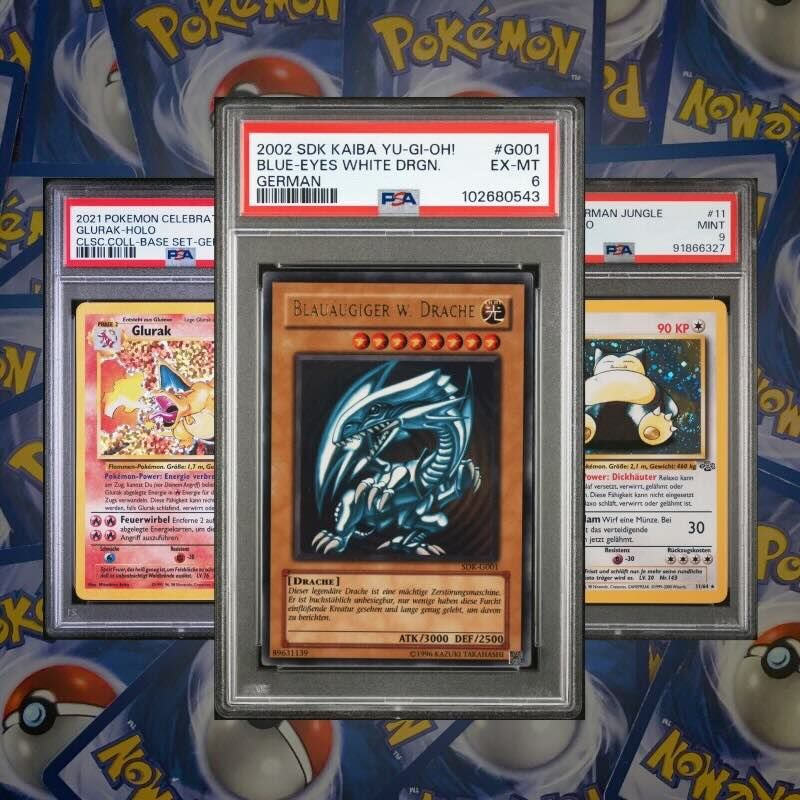
Rarity alone is of little use if an example is marked by stains, creases or even tears. To establish the condition and create a basis for the value of a Pokémon card, PSA Grading has become established as the assessment system.
The US company analyses cards and awards a grade from 1 to 10, with a higher number certifying a better condition. PSA then seals the graded examples in secure, transparent plastic cases. Protected in this way, the value is not only preserved but also immediately and permanently visible thanks to the grading.
Card conditions at a glance
Ungraded cards are usually described with the following condition levels. The scale helps you rate your card honestly before you compare prices. For graded cards, the PSA grade from 1 to 10 replaces these levels.
| Condition | How to recognise it | Effect on value |
|---|---|---|
| Mint and Near Mint | How to recognise itFresh from the booster, at most tiny marks under a magnifier | Effect on valueReference price and basis for high PSA grades |
| Excellent | How to recognise itLight edge wear, fine scratches in the holo area | Effect on valueNoticeable discount compared to Near Mint |
| Good and Light Played | How to recognise itVisibly white edges, small dents, but no creases | Effect on valueSignificant discount |
| Played | How to recognise itCreases, scratches and worn corners | Effect on valueOnly in demand for very rare cards |
| Poor | How to recognise itTears, water damage or writing | Effect on valueUsually sentimental value only |
3. Age
The age of a card, i.e. when it was produced, is very important. This factor is closely linked to rarity, because many cards are lost over the years and so become scarcer. As a rule: the older, the more valuable. The most expensive Pokémon cards are all at least 25 years old!
4. Misprints and other special features
Numerous misprints and copies that were never intended for sale have been produced over the years – no wonder, considering the huge number of Pokémon cards in circulation worldwide! Some seemingly small errors can increase the value enormously.
The most famous example is without doubt Charizard Topsun Blue Black (1995/1997). Charizard cards are repeatedly among the most expensive, rarest and best Pokémon cards, and with this copy several fascinating factors come together.
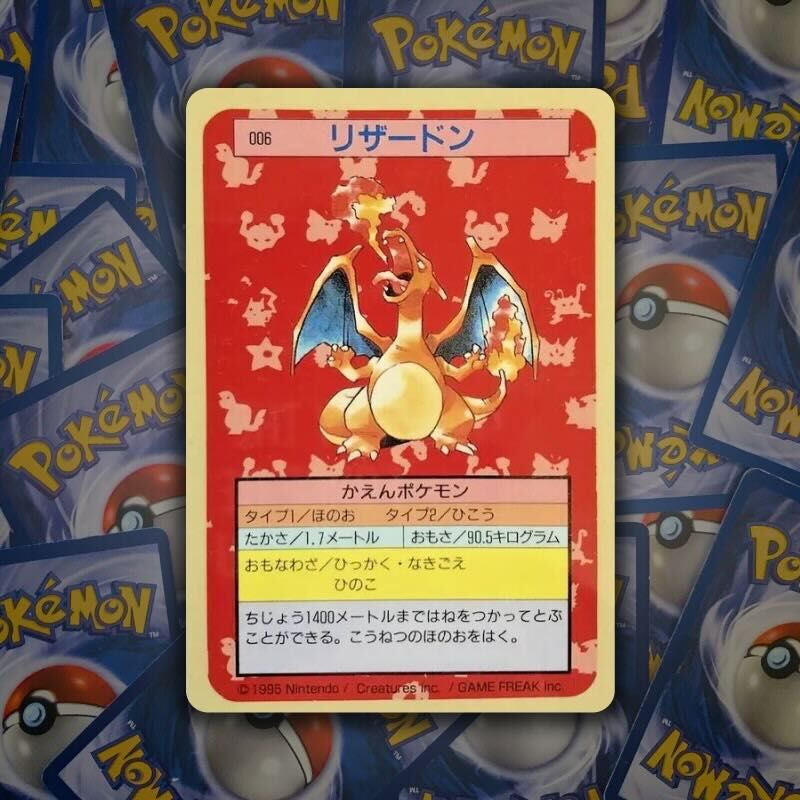
In the 90s the Japanese brand Topsun included a card as a gift with its chewing gum. Demand for this particular Charizard is enormous today, because it is also a misprint that fascinates collectors: the year is given as 1995, but the actual year of production is 1997.
Today only one card with PSA Grade 10 is known worldwide! So it is a one-off. You have to dig accordingly deep into your pocket for it: the most recent auction price was around half a million US dollars!
5. Emotional value and media attention
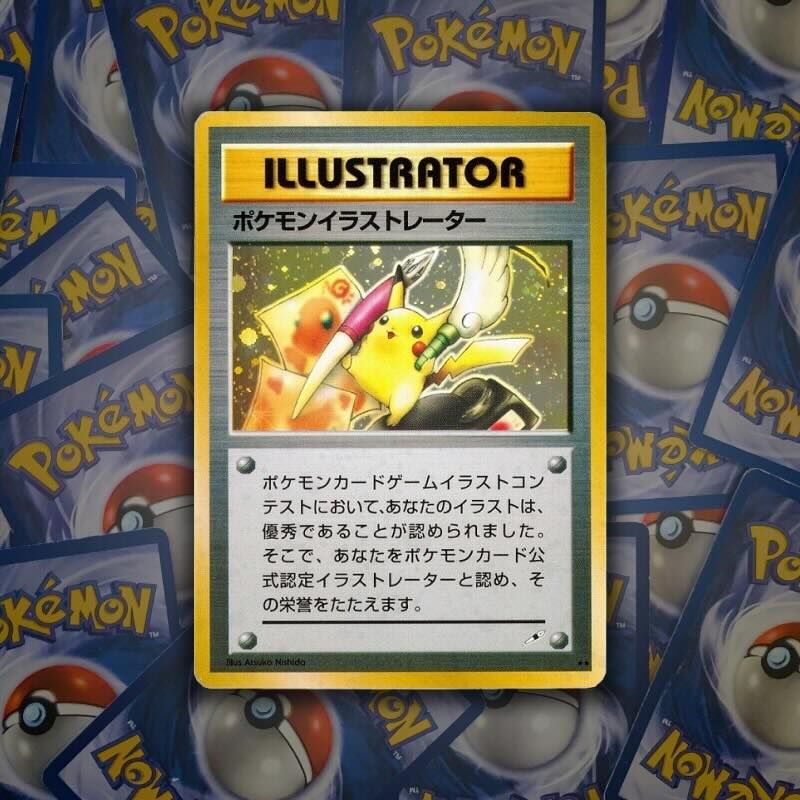
Players and collectors often have an emotional connection with certain cards or with the Pokémon shown on them, and that influences the value. Examples are copies that were only handed out as prizes for tournaments or competitions. One of them is the most expensive Pokémon card of all, the Illustrator Pikachu.
Increased attention or genuine hype on social media or among collectors can also push up the value of a Pokémon card quickly. An internet personality known only as “Kabuto King” is currently buying up every copy of the Kabuto cards from the first edition Fossil set.
Word has got around: within a few months the price rose from just CHF 1 to over 50 today! If the Kabuto King keeps buying up Kabuto cards in bulk, the value is likely to climb further.
Do the AMAZINGTOYS® Trade-In
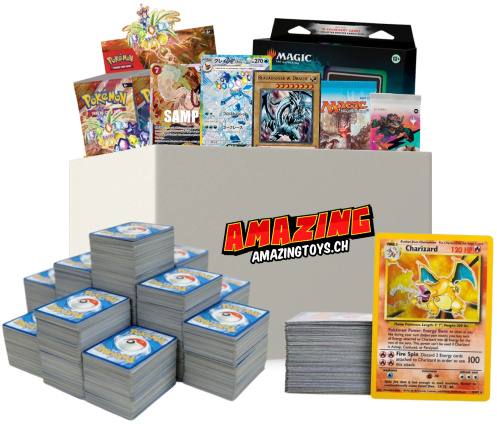
- Sell or trade in Pokémon, Magic, One Piece and Yu-Gi-Oh! cards
- Assessment by a pro – guaranteed fair price
- Bulk, sealed, single cards and entire collections
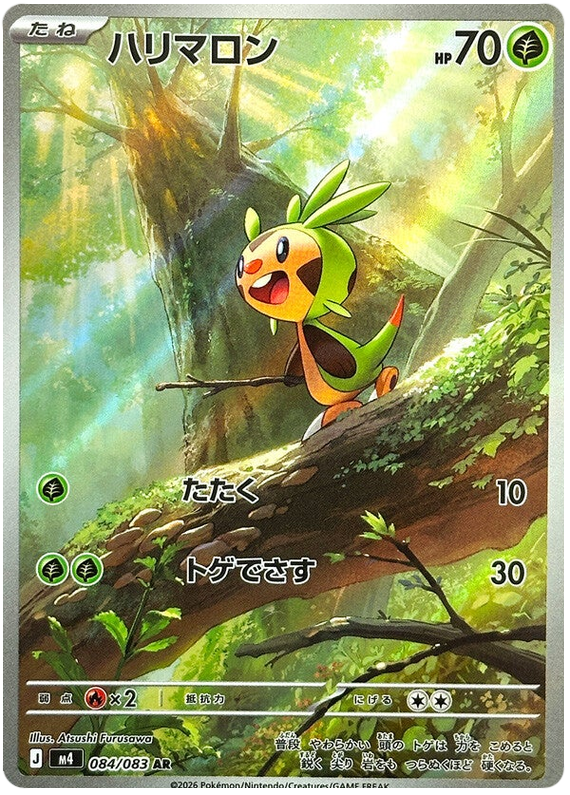
This Pokémon single card is perfect for expanding your collection or upgrading your Pokémon deck! Of course, you'll find more trading cards from this series with us too!
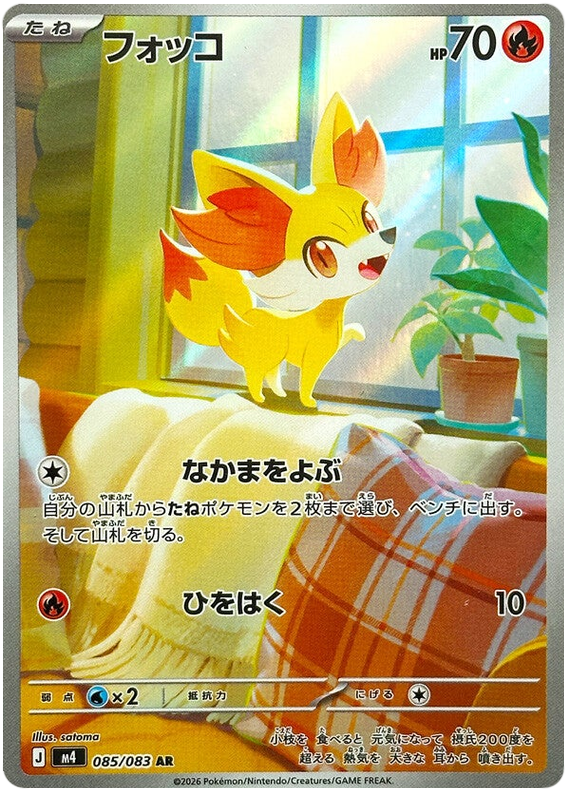
This Pokémon single card is perfect for expanding your collection or upgrading your Pokémon deck! Of course, you'll find more trading cards from this series with us too!
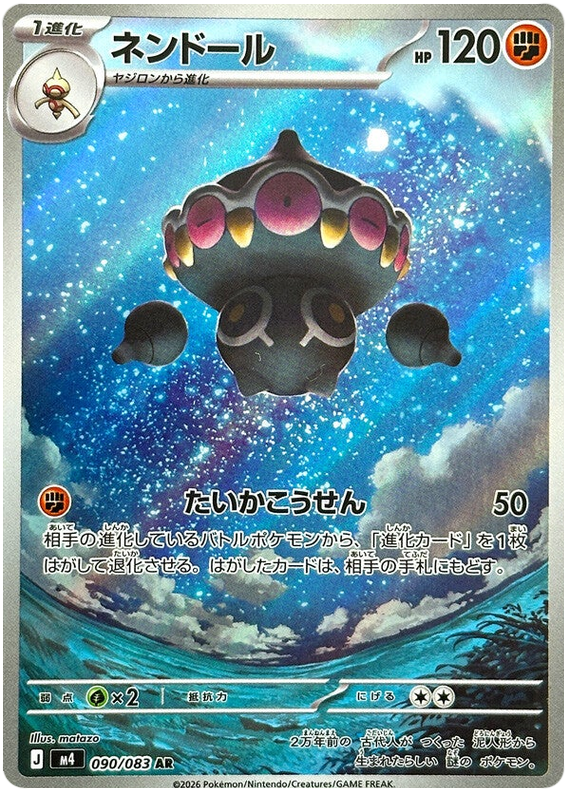
This Pokémon single card is perfect for expanding your collection or upgrading your Pokémon deck! Of course, you'll find more trading cards from this series with us too!
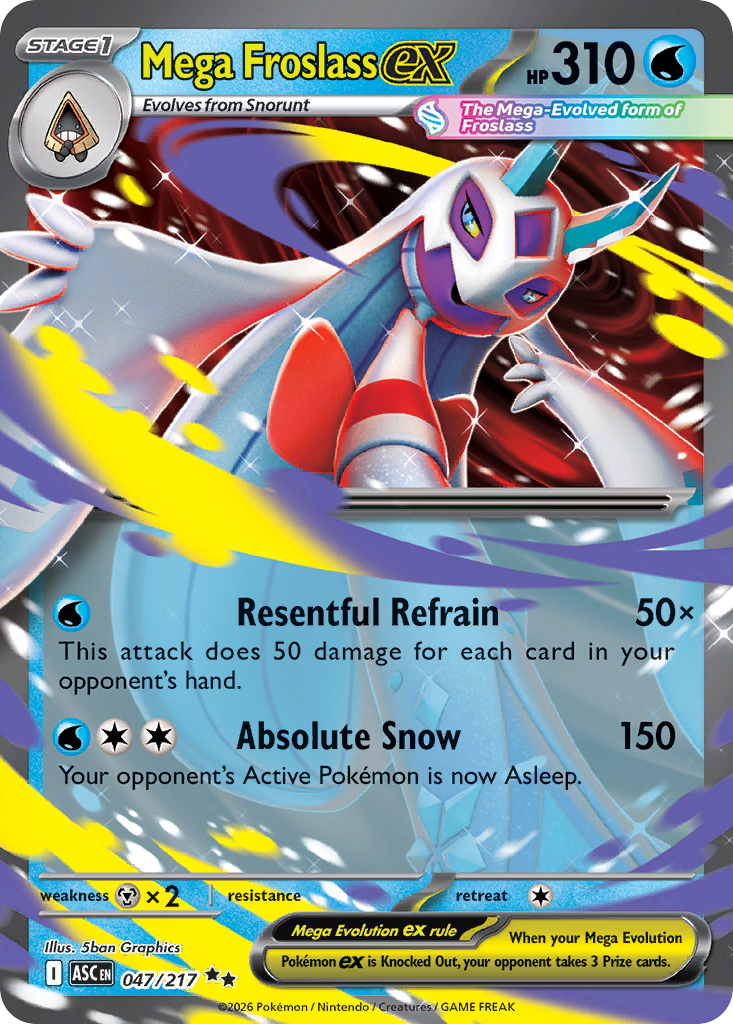
This Pokémon single card is perfect for expanding your collection or upgrading your Pokémon deck! Of course, you'll find more trading cards from this series with us too!
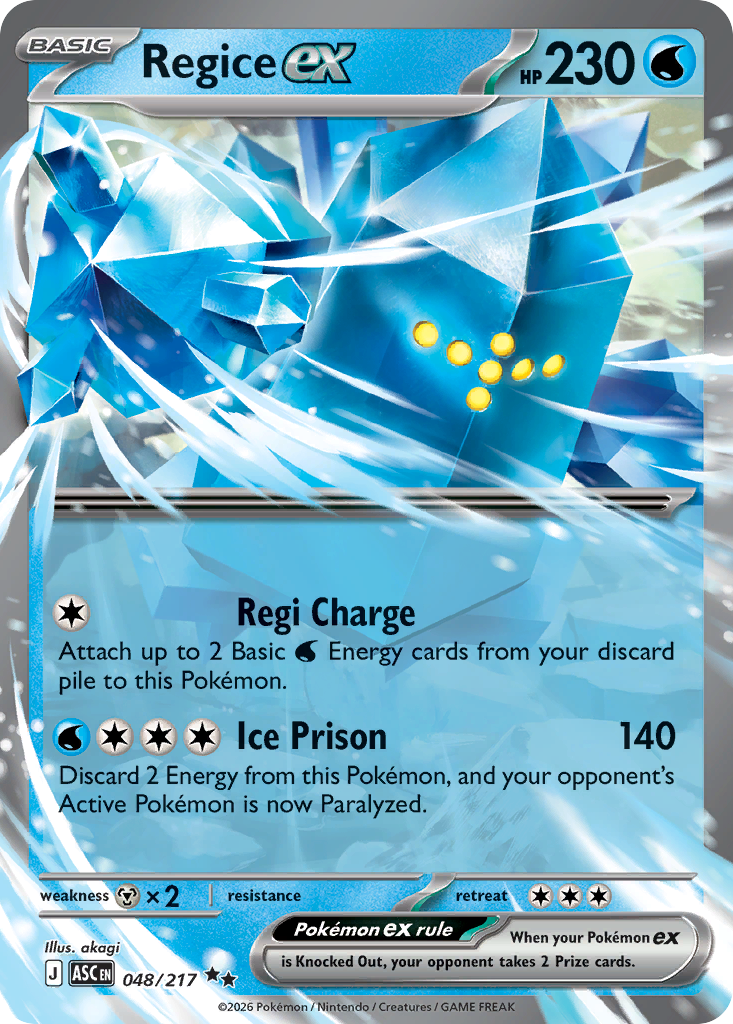
This Pokémon single card is perfect for expanding your collection or upgrading your Pokémon deck! Of course, you'll find more trading cards from this series with us too!
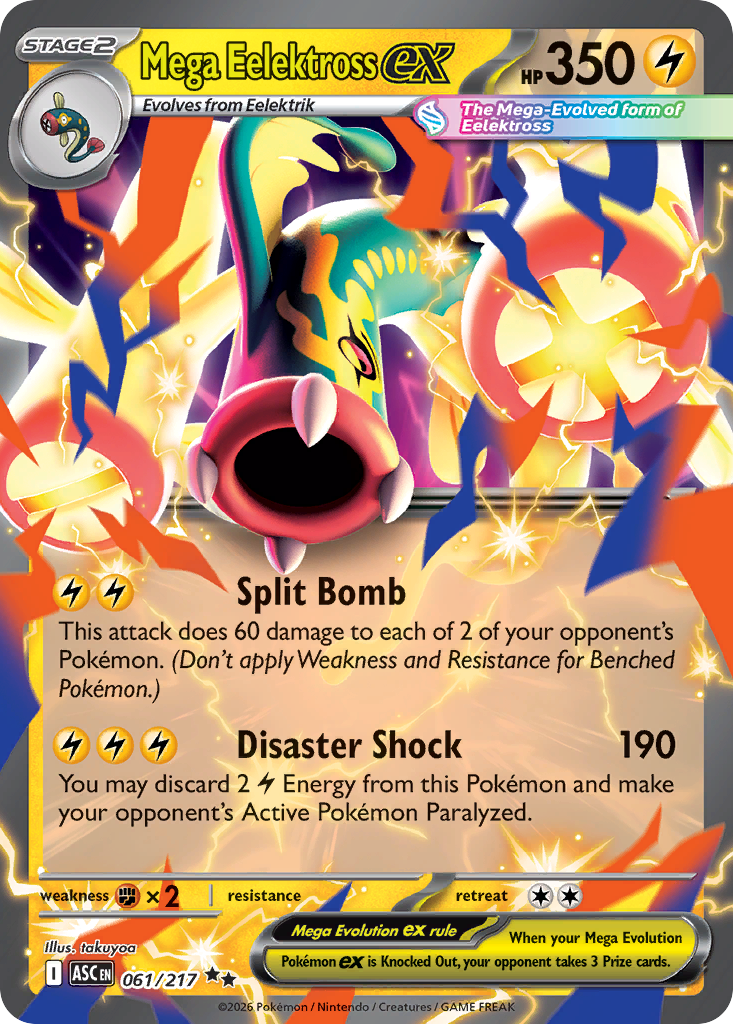
This Pokémon single card is perfect for expanding your collection or upgrading your Pokémon deck! Of course, you'll find more trading cards from this series with us too!
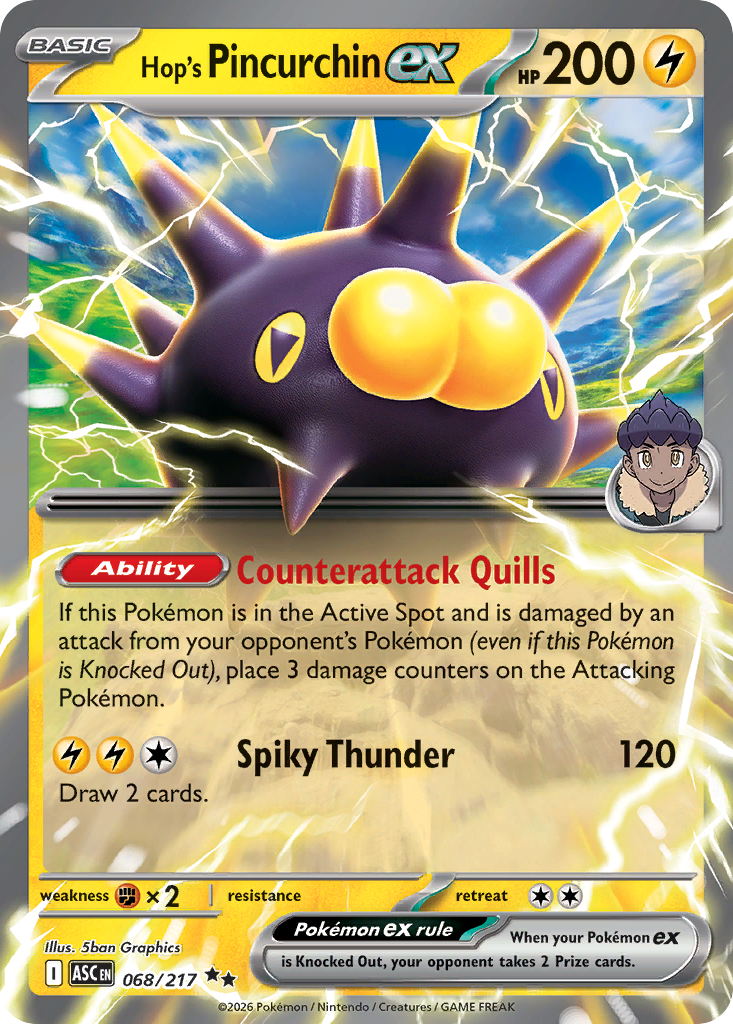
This Pokémon single card is perfect for expanding your collection or upgrading your Pokémon deck! Of course, you'll find more trading cards from this series with us too!
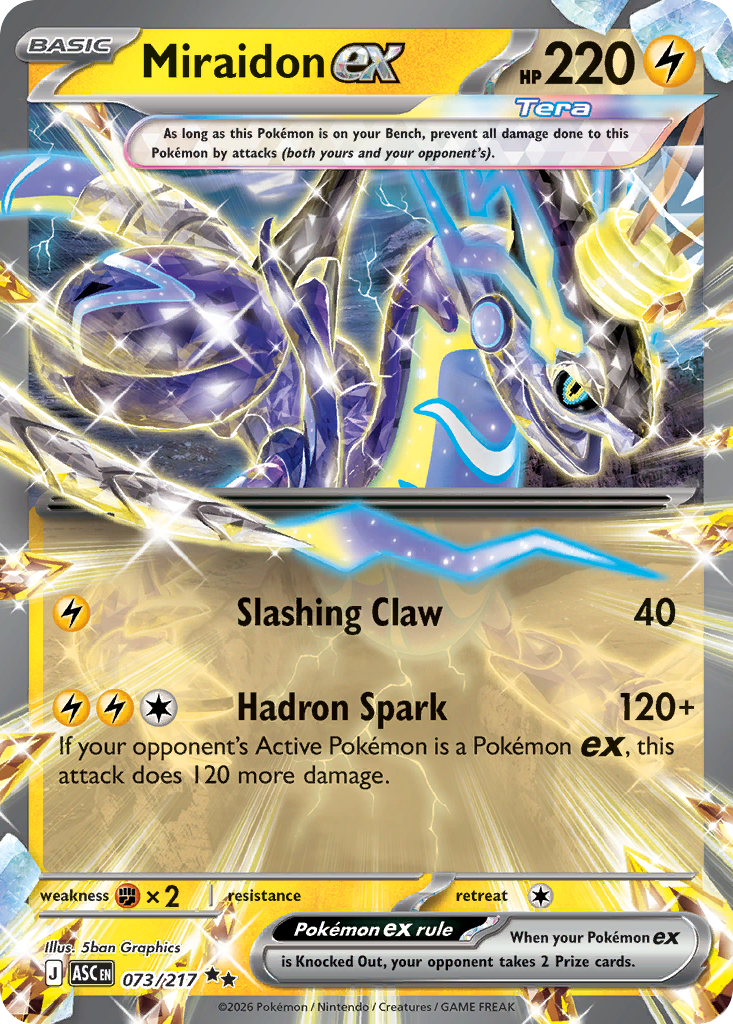
This Pokémon single card is perfect for expanding your collection or upgrading your Pokémon deck! Of course, you'll find more trading cards from this series with us too!
How to determine the value of a Pokémon card
Do you own a Pokémon card whose value you want to determine precisely? Then several websites are available where you can look up prices. Once you have a first overview and have found that you are holding a valuable card, you should obtain a PSA Grading.
That lets you establish the condition beyond doubt and determine the exact value. Without such a grading, only rough guide values can be determined at first.
The grading is also required if you want to sell a valuable Pokémon card. Without such an assessment you will hardly find a buyer willing to pay the often high amounts!
The following websites have proven their worth for determining prices:
1. Cardmarket
On Cardmarket.de you will find a good overview of the most important cards and their value. Trading directly via the platform is also possible. Here, however, the greatest caution is called for: Cardmarket uses its own grading system, which can often lead to misunderstandings and even to legal disputes!
Cardmarket uses its own rating system with seven categories.
The website does not use the internationally recognised PSA Grading system and instead offers seven roughly outlined categories. Buyers and sellers therefore have to reach agreement before trading. If one of the two parties has a different idea of what “Slightly Played” is, problems are inevitable.
All in all, Cardmarket is well suited for getting a first overview of the value of a Pokémon card. Trading on the platform itself is not recommended, though, as the protection for trading partners is rather insufficient.
2. Pricecharting
The website Pricecharting.com combines many interesting features: here the value of a Pokémon card is determined on the basis of the official PSA Grading and the price development over time is shown. Completed sales on eBay serve as the basis for the calculation.
So these are prices actually paid, not a seller's wishful thinking, which greatly increases accuracy. That makes Pricecharting an excellent reference for determining the current value of your cards with a PSA Grading.
3. Collectr app
Collectr takes a different approach from the sites mentioned so far. The app lets you put together your own Pokémon card collection and track its value and how that value develops. So it is a kind of portfolio manager for cards.
Several similar sites and apps offer functions of this kind. What sets Collectr apart, though: you can scan your cards with your phone camera and add them to your portfolio automatically. Accuracy is generally very good; unfortunately you only have 35 scans available in the free version.
Cardmarket, Pricecharting and Collectr compared
| Platform | Strength | What to watch out for |
|---|---|---|
| Cardmarket | StrengthLargest European marketplace, prices in euros, price trend per card and condition | What to watch out forIts own condition scale, asking prices are not sold prices |
| Pricecharting | StrengthSold eBay prices, price history over time, values per PSA grade | What to watch out forPrices in US dollars, focus on English cards |
| Collectr | StrengthScan your collection with the camera and track its total value | What to watch out forFree version with a limited number of scans, values are estimates |
What are typical Pokémon cards worth?
Most cards from a booster are worth very little, while individual cards are worth a great deal. The table shows the range in which different card types usually sit.
| Card type | Examples | Typical range |
|---|---|---|
| Common and Uncommon from current sets | ExamplesStandard cards from every booster | Typical rangeA few centimes to a few francs |
| Holo and Reverse Holo from current sets | ExamplesRegular Holo Rares | Typical rangeMostly single-digit franc amounts |
| Illustration Rare, Special Illustration Rare and Gold | ExamplesThe sought-after chase cards of modern sets | Typical rangeTwo to three digits |
| Vintage holos from 1999 to 2003 in good condition | ExamplesBase Set, Jungle, Fossil, Neo | Typical rangeTwo to four digits, depending on card and condition |
| 1st Edition and Shadowless with a high PSA grade | ExamplesCharizard from the Base Set | Typical rangeFive to six digits |
| Trophy cards and rare promos | ExamplesPikachu Illustrator | Typical rangeRecord sale of 16.5 million US dollars |
Which cards hold the records is covered in our article What is the most expensive Pokémon card in the world?
Please note: These ranges are for orientation only and are not a price guarantee. Prices vary and can change at any time. This article is not investment advice and not financial, tax or legal advice. Pokémon cards are toys, collectible cards and trading cards, not financial products. Past prices are no guarantee of future values. AMAZINGTOYS® sells and buys the products mentioned.
Selling high-value Pokémon cards
If you are in the fortunate position of wanting to sell a high-value Pokémon card, you should not make any compromises. Trading via online platforms seems simple, but it also comes with considerable problems.
- If you sell a card without a PSA Grading, disputes are not uncommon. In many cases the buyer rates the condition much more negatively than the seller. If opinions differ, claims for money back can follow.
- The far bigger problem, however, is security: sending valuable Pokémon cards by post always carries a high risk. Even with additional tracking and similar measures, delivery is not guaranteed.
- If a card goes missing in the post, owners fall back on the delivery service's insurance cover. To get a refund, however, you have to prove the value of the Pokémon cards beyond doubt. In practice this is almost impossible, despite PSA Grading and value tables.
We therefore recommend selling in person on site at a card shop like AMAZINGTOYS®. The higher the value of your Pokémon cards, the more important it is to handle the deal in person!
At AMAZINGTOYS®, selling works in three simple steps:
- Book an appointment
Pick a suitable appointment from our list and call +41 43 333 22 02 (reachable on Fridays from 14.00 to 19.00) to secure a slot. You can only sell your collection or expensive single Pokémon cards with an appointment!
- Come to the AMAZINGTOYS® Store
On the agreed Saturday you can come to the AMAZINGTOYS® Store in Zurich between 12.00 and 19.00 and have your cards valued.
- Receive money or products
If you are happy with the offer, we handle the Pokémon card buyback right there on site. You can receive the equivalent value in cash or as credit for the AMAZINGTOYS® shop. Simple, fair, secure!
Conclusion: how to determine the value of your Pokémon cards
Pokémon cards can be worth several million CHF – or hardly a centime. The enormous differences come from these factors:
- Rarity
- Condition, i.e. which PSA Grading the cards have received
- Age
- Misprints and special features
- Emotional value and current trends
Do you think you own a valuable Pokémon card? Then various websites are available to you to determine the actual value. They give you the chance to get a first overview.
For an accurate assessment, however, a PSA Grading is required. Only then can the condition, and therefore the value, be determined precisely! Equipped with a PSA rating for your card, you can look up the exact price.
If you want to sell the treasure you have found, it is best to use the Buyback service from AMAZINGTOYS®. During a personal visit to the AMAZINGTOYS® Store in Zurich you can not only be sure of getting a fair price; you also avoid the risky shipping by post.
Would you rather keep your valuable Pokémon card? With our attractive Pokémon accessories you can put your favourite pieces in the spotlight!Frequently asked questions
The value of a Pokémon card can range from 0 to several million. The huge price range comes down to supply and demand, which in turn are fuelled by rarity, condition, age and current trends.
Good ways to determine the value are eBay (only cards actually sold!) and platforms such as cardmarket or pricecharting. Always keep an eye on the condition of the cards (PSA grading), as it has a major influence on the value.
The value of a Pokémon card is determined by supply and demand and depends on factors such as rarity or condition. Rare Holo, Reverse Holo, Rare or Secret Rare cards fetch higher prices.
That depends on the card, set, language and condition. First identify the name, card number and set symbol. Then compare sold prices for the same card in the same condition on Cardmarket or Pricecharting.
Not automatically. The valuable ones are mainly holo cards from the first sets from 1999 to 2003 in very good condition, especially 1st Edition and Shadowless. Common cards with heavy wear often fetch only a few francs.
In Switzerland you can have your cards valued at the AMAZINGTOYS® Store in Zurich. You need a buyback appointment for this. For a binding condition grade, PSA grading is the right route.
Grading is mainly worthwhile for rare cards in very good condition, because a high grade documents the condition and often increases the value considerably. For inexpensive cards the costs usually exceed the added value. Expect at least 120 and up to 180 working days.
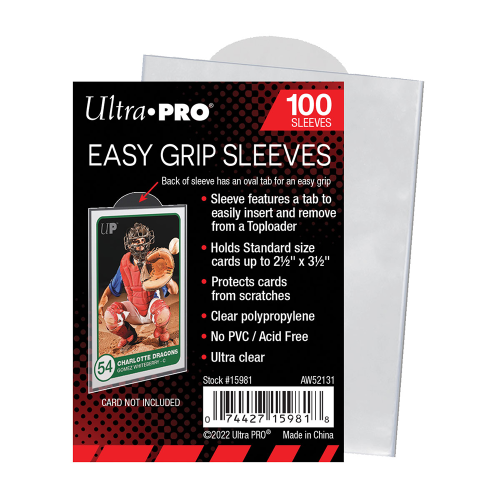
Archival-grade, acid-free and non-PVC card sleeves designed to hold standard 2-1/2" X 3-1/2" cards. The sleeve has an oval tab on the back material to assist with insertion of cards and prevent card corner damage. Tab is also designed to be able to easily grip it and remove a card and sleeve from a Toploader. 100 count per pack.Sleeve features a tab to easily insert and remove from a ToploaderHolds standard size cards 2-1/2" X 3-1/2"Protects your collectibles from scratchesNo PVC / Acid FreeUltra clear polypropylene
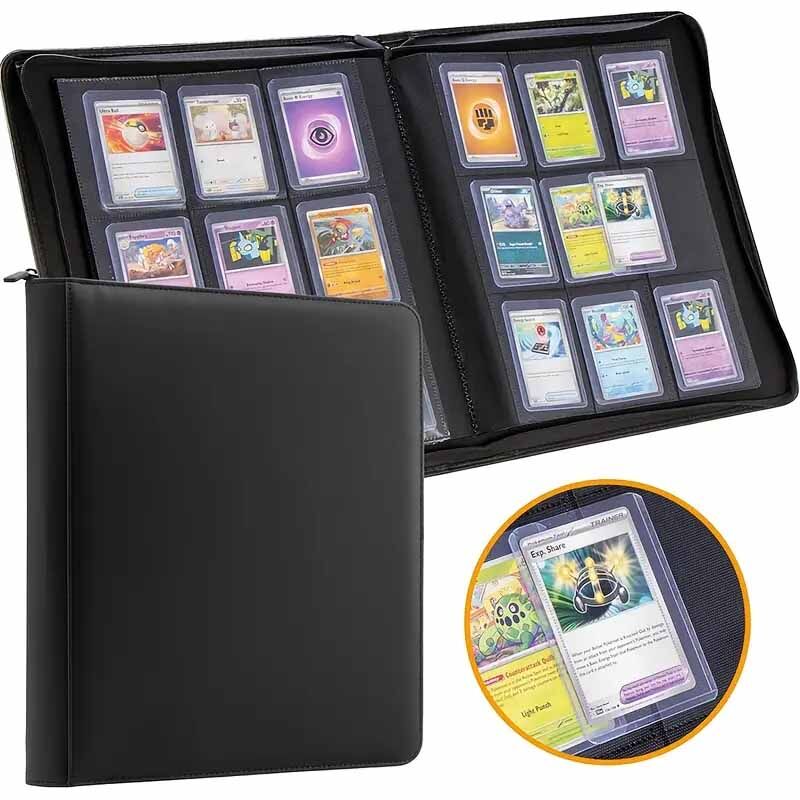
Convincing feel thanks to padded binder coversFits standard 3″ x 4″ ToploadersRoom for 288 cards on 16 pagesCloses securely with a sturdy zipSecure hold for Ultra PRO ToploadersDimensions 35cm x 41 cmNo branding – CLEANToploaders and pictured cards are NOT included.
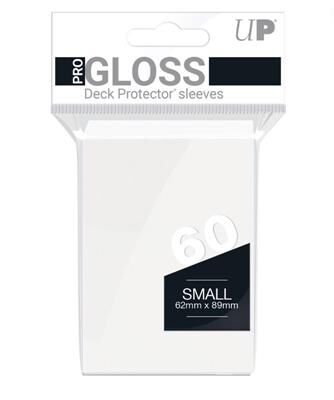
Ultra PRO Sleeves White - Deck Protector 60 white Ultra PRO sleeves suitable for Yu-Gi-Oh! cards.
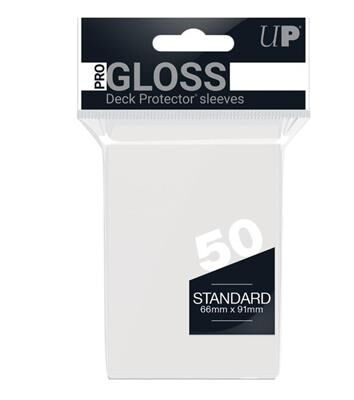
Ultra PRO Sleeves Clear Standard Size 50 Clear Ultra PRO sleeves suitable for Magic, Pokémon cards. Product size: 66 mm x 91 mm.
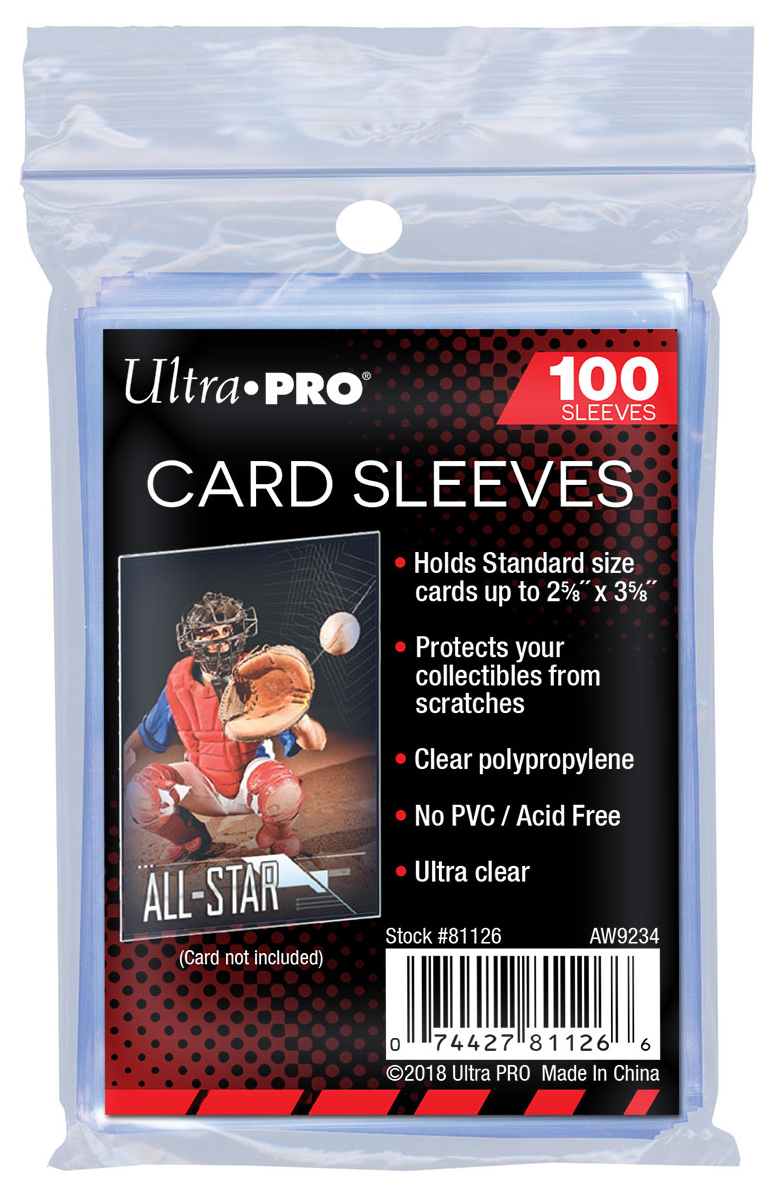
Ultra PRO - Regular Soft Card Deck Protectors (100 pro pack) 100 Card Sleeves (100 pro pack). - Suitable for Pokémon, Magic and Yu-Gi-Oh! cards. Archival-grade, acid-free and non-PVC premium card sleeves designed to hold standard 2-1/2" X 3-1/2" cards. Made from heavy-gauge clear polypropylene for improved protection. Ideal for use with toploaders. Made in the U.S.A. 100 count per pack. Holds standard size cards 2-1/2" X 3-1/2"ultra clear polypropylene Consistent sizing Fits inside Toploaders No PVC / Acid Free

Ultra PRO – Toploader 3" x 4" Clear Regular (1 Piece) 1 piece – (63.5 x 88.9 mm) Toploader / Standard size trading cards (Magic, Pokémon, Yu-Gi-Oh!, Digimon TCG, WoW TCG)
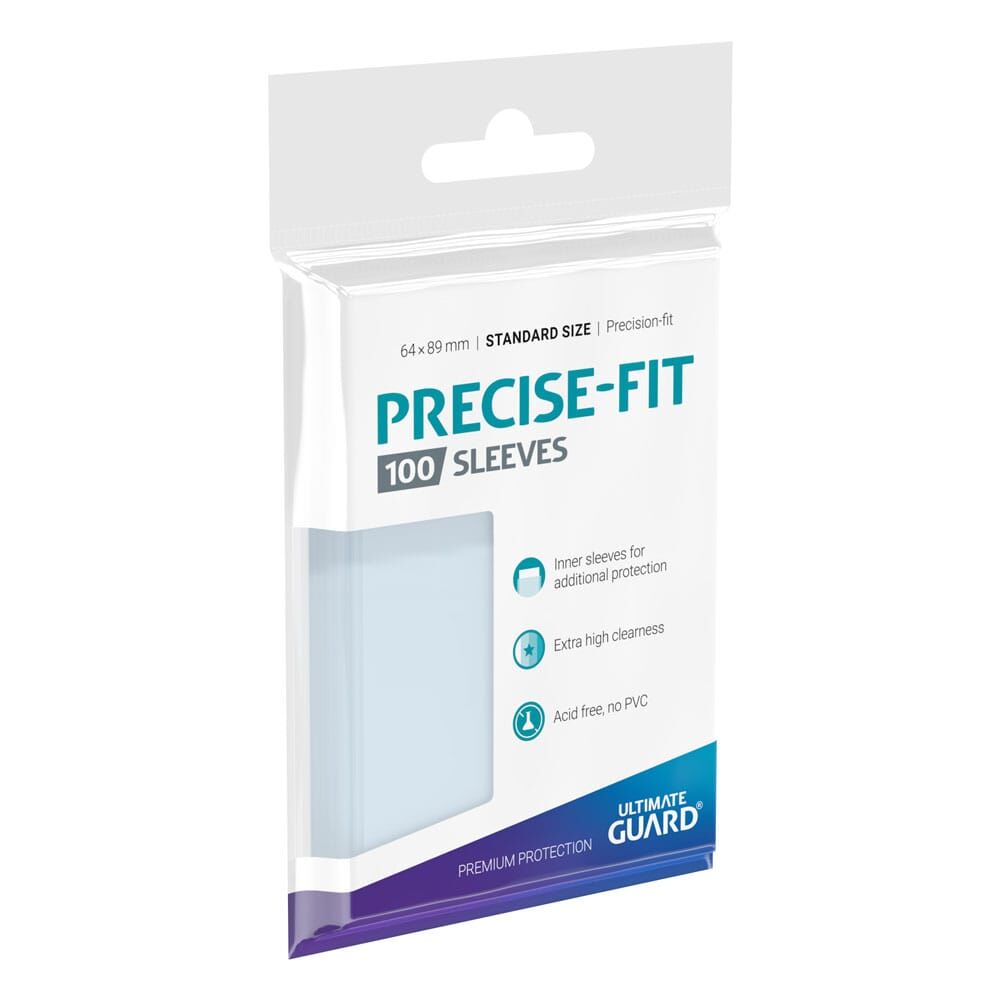
Ultimate Guard - Precise-Fit Sleeves Standard Size Transparent (100) Card sleeves (standard size) Ultimate Guard The pack contains 100 inner card sleeves for extra protection of standard-size trading cards (e.g. Magic the Gathering™, Pokemon™, etc.). - Fits perfectly inside standard-size ULTIMATE GUARD Sleeves (sleeve in sleeve) - Precise fit - Consistently high accuracy of fit - Extra-clear polypropylene - High transparency - Acid-free – No PVC - Sleeve size: 64 x 89 mm

Ultra Pro Toploader 3" x 4" Clear Regular (25 per pack) 25 Pieces – (63.5 x 88.9 mm) Toploader / Standard size trading cards (Magic, Pokémon, Yu-Gi-Oh!, Digimon TCG, WoW TCG)
Ultra PRO Binder - PRO-Binder White 9-pocket Arctic White PRO-Binder with embossed middle black web material gives cards a classic framed look. Side loading pocket design to prevent cards from easily falling out. Elastic strap holds the binder shut when not in use. All materials made from archival-safe, acid-free non-PVC material. Holds 360 cards in Ultra Pro Deck Protector sleeves.Archival-safe, acid-free non-PVC material.Black web material creates a no-slip grip for cards.Side loading pocket design to prevent cards from easily falling out.Elastic strap holds the binder shut when not in use.
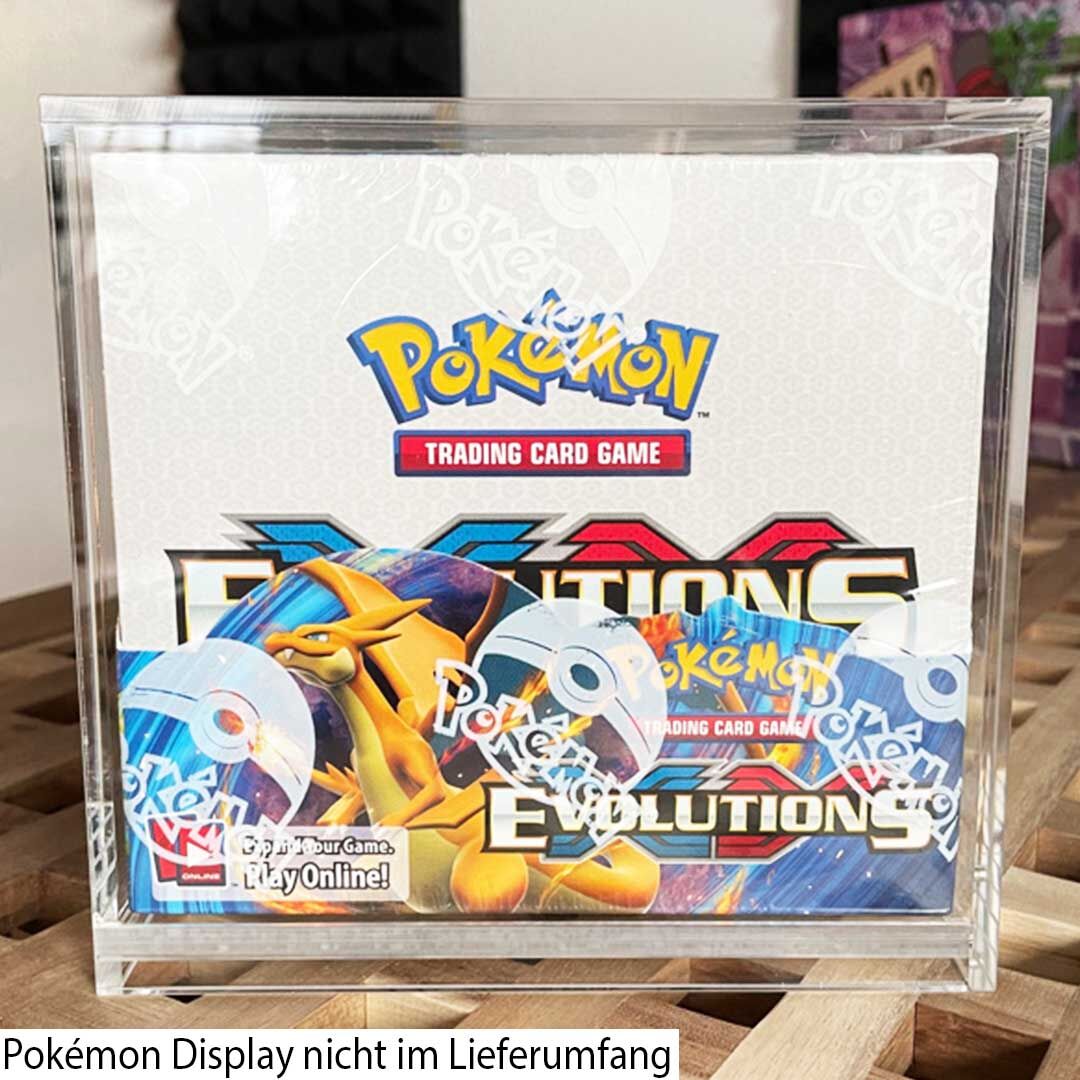
Pokémon Acrylic Booster Box Display A high-quality, modern acrylic box to safely protect Pokémon display boxes. These acrylic boxes are perfectly suited for displays from the EX Series era onwards. This makes them compatible with Sword & Shield, Sun & Moon, XY, Black & White displays, etc.Important: Pokémon Sword & Shield Battle Styles displays only fit the following acrylic case due to their thicker size. These boxes are ideal for stacking or displaying several Pokémon displays on top of each other. This keeps your displays safely protected from dust or pressure damage at all times. The Pokémon Acrylic Booster Box Display is closed with a simple sliding closure held together by a discreet magnet. This ensures maximum aesthetics when displaying it in a cabinet or storing it. Not just for the collector's heart, but for the collector's eye too. Size: 138mm x 125mm x 78mm *** 1x Acrylic Booster Display Box is supplied; the displays shown in the images are for illustration purposes only and are NOT included. ***
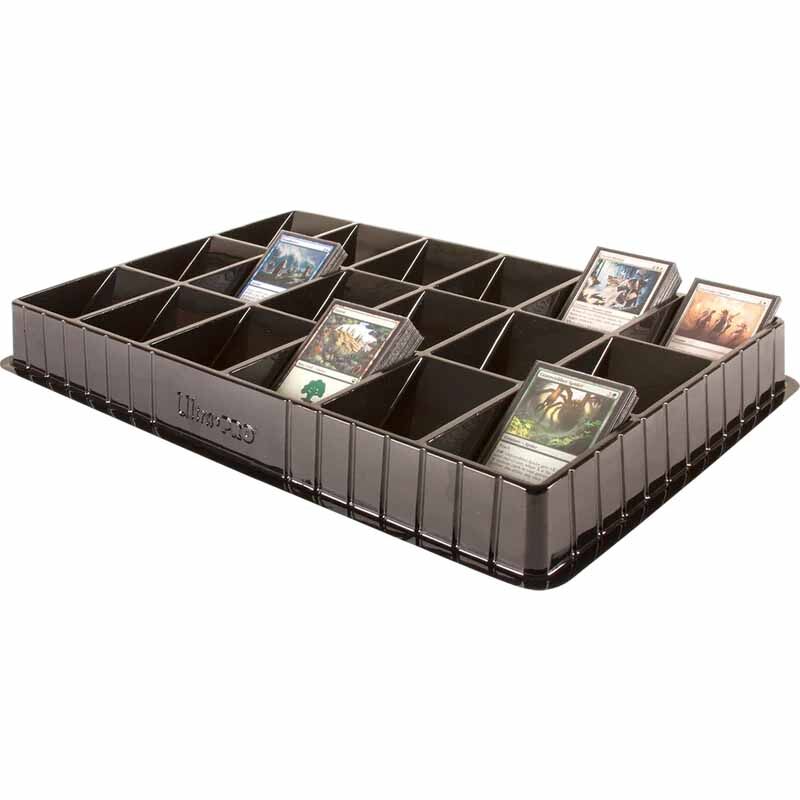
Lightweight card sorting tray, ideal for sorting trading cards. With 18 angled compartments that are also perfect for displaying trading cards.(*Cards not included)Lightweight, vacuum-formed tray for sorting and organising trading cardsIdeal for card sellers and retailersCan be used to sort and organise sports trading cards, tokens, playing cards and other trading cards18 compartments in 3 rows of 6 compartments eachStackable
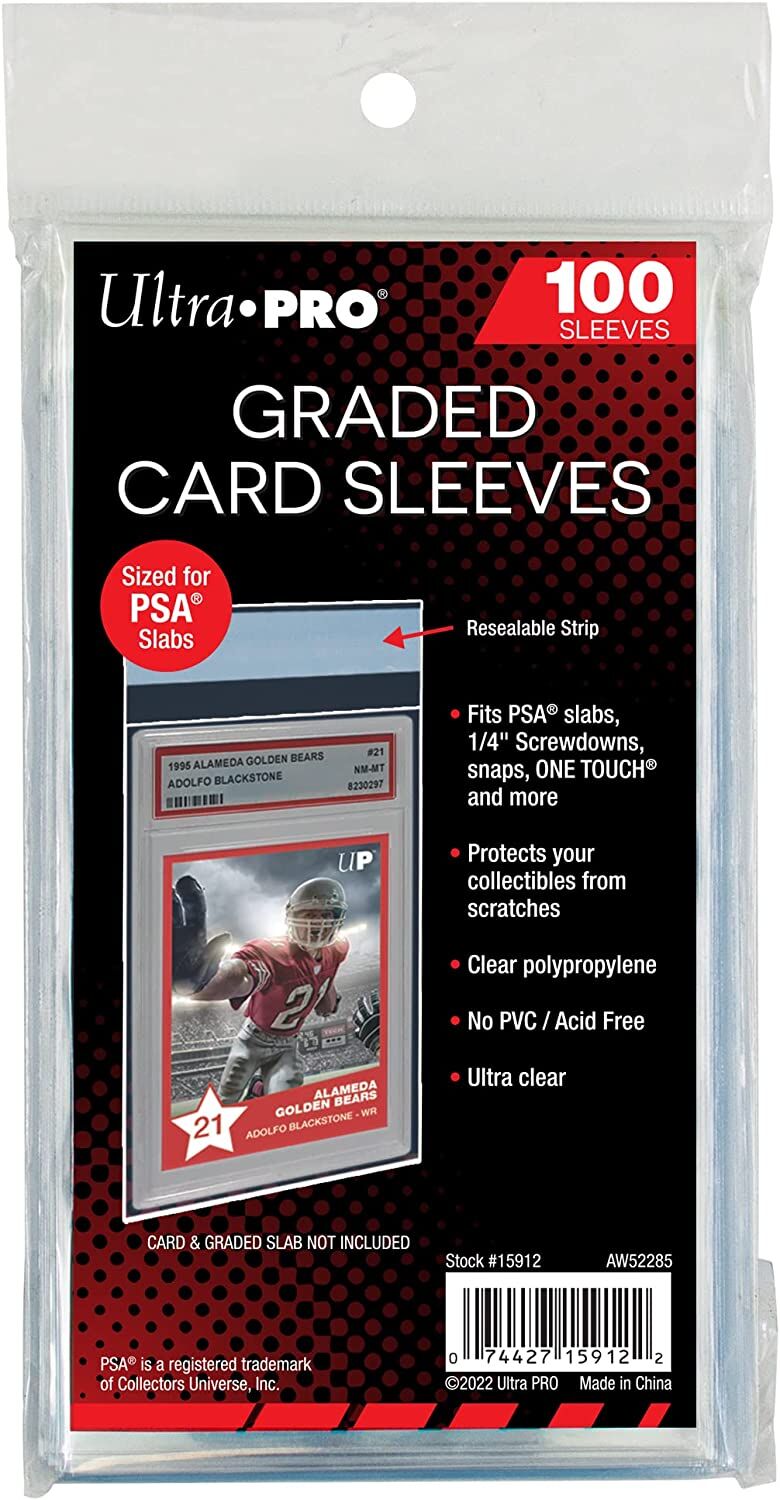
PSA Graded Card Slab Realable Sleeves - Ultra Pro Resealable sleeves for PSA-certified card slabs, offering the best fit Also suitable for 6.35 mm (1/4 inch) clamps, snap buttons, one-touch and more Protects your collectibles from scratches Includes PSA Graded Card Slab Realable Sleeves (other pictured items not included)