
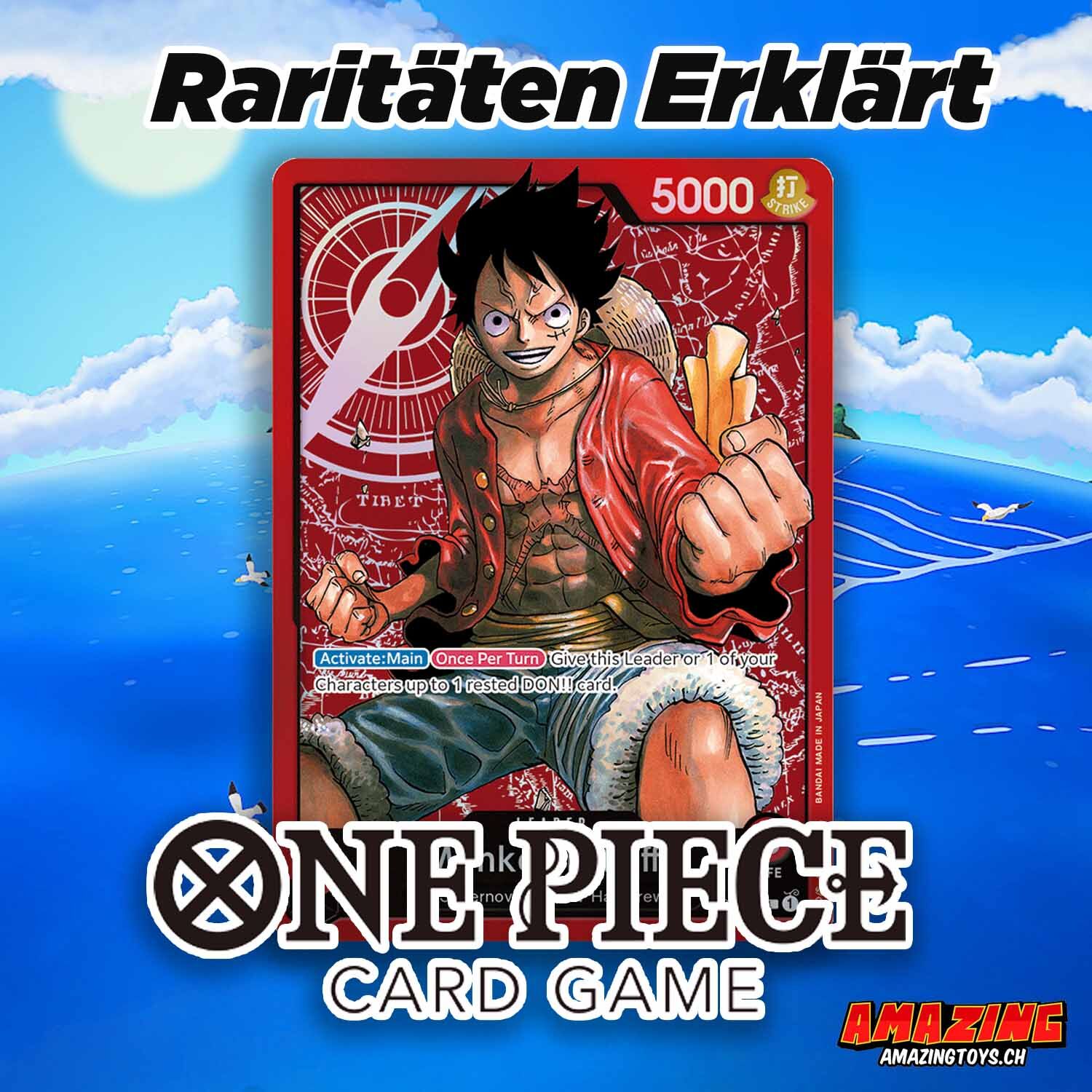
One Piece rarities: all rarity levels explained
 Thomas KovacsLast updated: 12 August 2026 approx. 10 min read
One Piece is not only one of the most popular series worldwide, it now also inspires countless players of the trading card game. The rarity levels of the different cards are particularly exciting here, and as a collector you should know them in order to keep track of the various cards and their rarity.
From Common and Uncommon through to Secret Rare, Alternate Art and special cards, there are numerous variants to discover.
In this article we explain the different rarity levels, how to recognise them and what makes a card particularly valuable. That way you too can start the hunt for the most exciting One Piece rarities and take your game to the next level.
The key points in brief:
- The rarity of a card can be identified quickly from the rarity symbol. It is not the only indicator that should be used for the assessment, however.
- Secret Rares are among the rarest regular rarity levels and are particularly sought after among collectors and players.
- The value of a card depends not only on its rarity, but also on factors such as demand, the card variant and the condition of the card.
- If you want to buy rare cards, you should always rely on trustworthy dealers in order to avoid counterfeits as far as possible.
One Piece card rarity levels: what do the symbols mean?
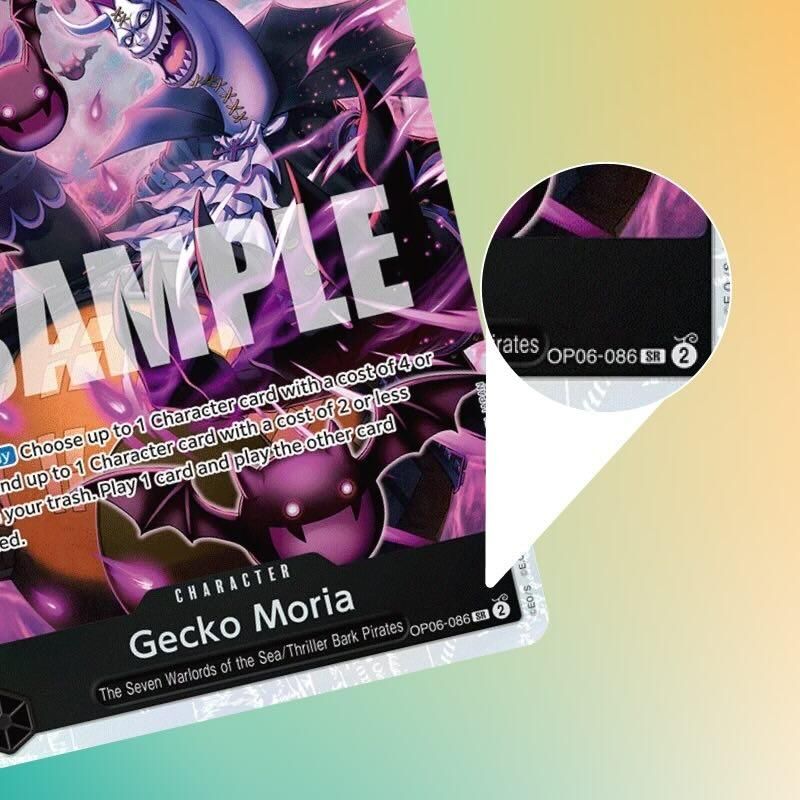
Probably the most important symbol when assessing the rarity of a One Piece card is the rarity symbol. It is usually located in the bottom right corner of the front and gives you a quick overview of which rarity level the card belongs to.
Good to know: the rarity levels of One Piece cards are the same regardless of region or language. The basic classification of the rarities stays identical, no matter whether you have a Japanese, English or German card in front of you.
This is what the different One Piece card rarity levels mean:
- C = Common (frequent): The most common rarity level. Common cards make up a large share of a regular booster set and are therefore relatively easy to get hold of.
Despite their wide availability, Common cards are not automatically less valuable. Often it is precisely these cards that are important for building your own deck. On top of that, they can hide certain characters that have a high personal value for collectors and players.
- UC = Uncommon (unusual): The level above the Common cards. Uncommon cards are rarer than Common cards, but they still belong to the cards that appear more frequently.
UC cards do not automatically have a lower value than the higher levels either. Among them, too, there can be exciting cards that are interesting for collectors.
- R = Rare (scarce): From this level onwards, cards are perceived as genuinely rare by many players and collectors. Rare cards are certainly scarcer than Common and Uncommon cards, which does not immediately mean that their demand and market value have to be higher as well.
- SR = Super Rare (very scarce): In a normal set they are among the more sought-after cards. Demand for Super Rare cards is usually significantly higher, especially when they feature particularly popular characters.
Additional variants such as Alternate Arts can increase the appeal of an SR card even further.
- SEC = Secret Rare (especially scarce): Secret Rares are among the rarest regular rarity levels and are particularly sought-after by players and collectors. For most players and collectors they count as special pulls when opening a pack.
Even so, you should not assume that all Secret Rares have the same value. Here, too, the character, the set and the artwork, the condition of the card and its current demand play an important role.
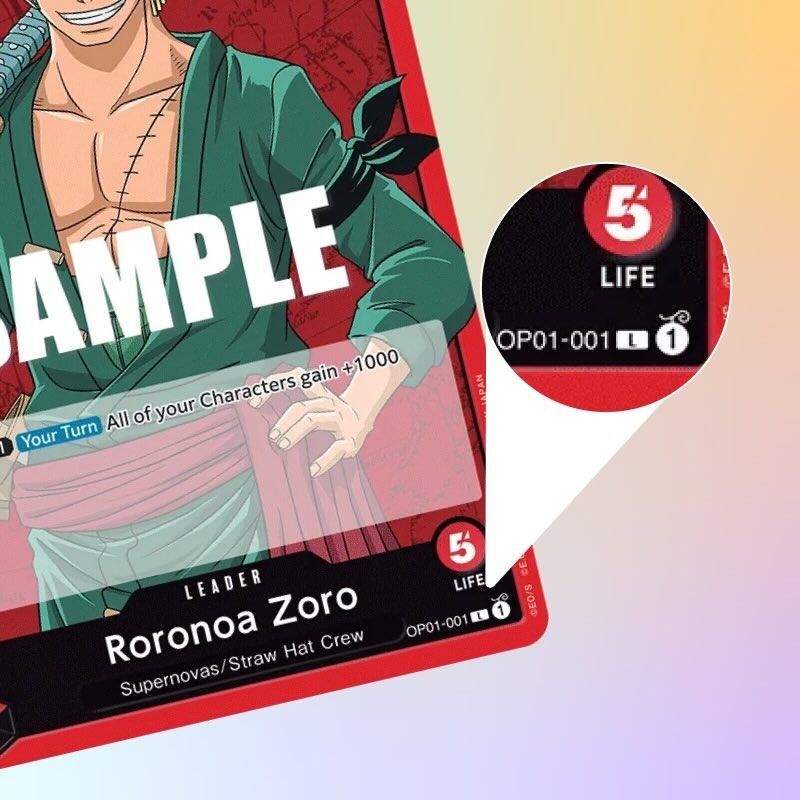
- L = Leader (leader card): Leader cards do not describe a rarity level directly, but they are definitely the heart of every deck. They are marked with the letter L and have their own life points as well as individual abilities.
Depending on the leader, different colours and card combinations can be used, which results in numerous different deck strategies.
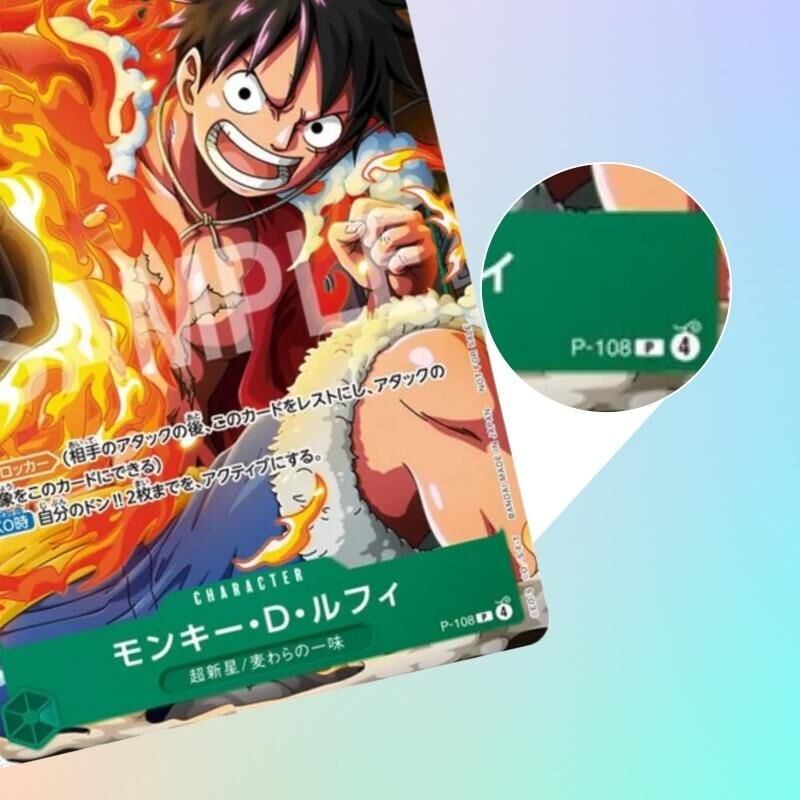
- P = Promotional (promo card): These cards are marked with the letter P. It is important to mention here that promo cards usually cannot be pulled from classic booster packs. Instead, collectors get hold of them at special events, tournaments or promotions.
Because they are often available in very limited numbers only, promo cards count as something special for many collectors. Above all when they feature exclusive artwork.
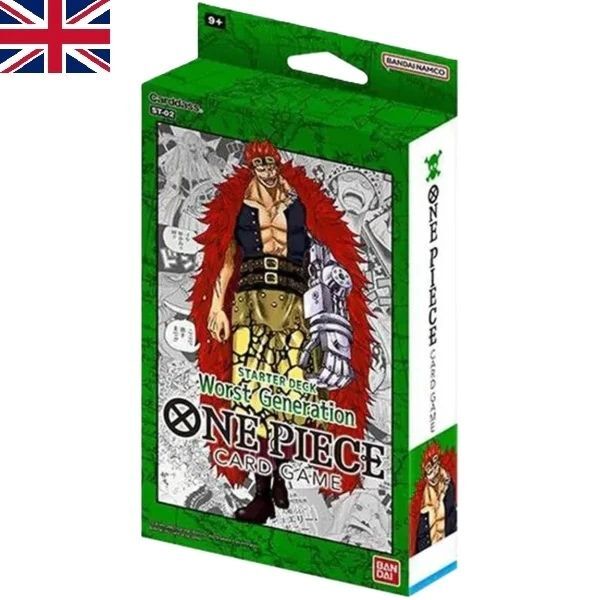
"One Piece Starter Deck Worst Generation EN" is an exciting and dynamic card game based on the hugely popular manga and anime series "One Piece". This particular starter deck focuses on the "Worst Generation", a group of eleven Supernovas known for their outstanding bounties and abilities.The pack includes predefined cards that have been carefully selected and put together to create a solid foundation for your deck. Each card represents different characters, events and items from the "One Piece" universe, with a particular focus on the members of the "Worst Generation". These cards offer a wide range of abilities and features that allow you to plan and execute complex and strategic moves.As this starter deck is in English, all the text on the cards is written in English. This makes the game particularly accessible for English-speaking players or those who feel comfortable with the English language. The cards are made from high-quality material and feature detailed, colourful illustrations that bring the world and characters of "One Piece" to life.The "One Piece Starter Deck Worst Generation EN" is ideal for new players wanting to get started with the One Piece card game, but also for experienced players looking to expand their deck with new cards and strategies. With its focus on the "Worst Generation", it offers an exciting and unique style of play that lets players experience the thrilling adventures and characters from the "One Piece" series in a completely new way.
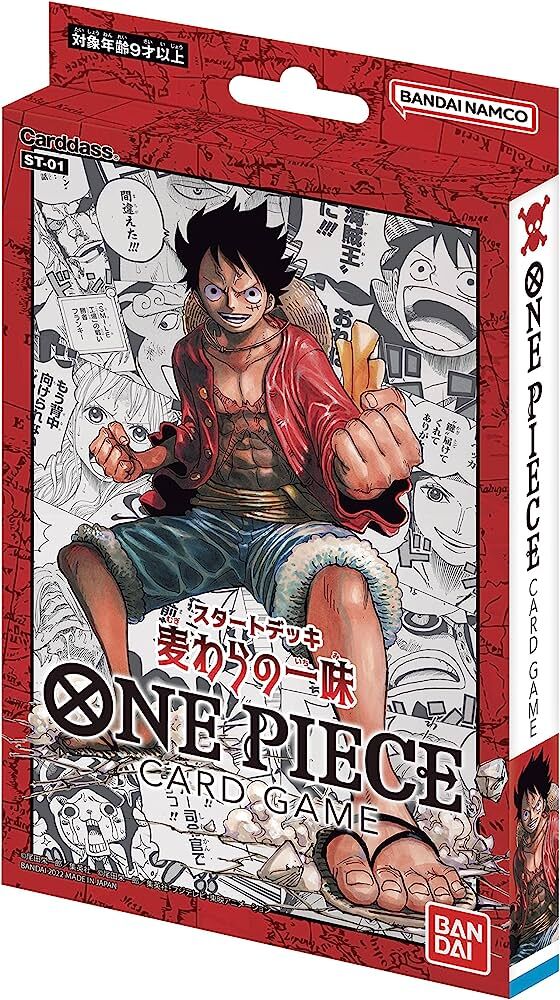
"One Piece Starter Deck Straw Hat Crew EN" is a thrilling trading card game based on the world-renowned manga and anime series "One Piece". This special starter deck is dedicated to the "Straw Hat Crew", the main crew of the series, led by the fearless Captain Monkey D. Luffy.The deck contains a carefully curated selection of cards that allow for a quick start to the game. Each card represents different characters, items and events from the "One Piece" universe, with a special focus on members of the Straw Hat Crew. With these cards, you can plan a variety of strategies and moves to defeat your opponents.Since this starter deck is in English, all text on the cards is in English. This makes it particularly accessible for players who speak or understand English. The cards themselves are made of high-quality material and feature detailed, colourful illustrations that bring the vibrant and adventurous world of "One Piece" to life.The "One Piece Starter Deck Straw Hat Crew EN" is ideal for beginners looking to get started in the One Piece trading card game, but also for experienced players who want to expand their deck and try new strategies. With its focus on the Straw Hat Crew, it offers a unique and exciting gameplay that immerses players deep into the adventures and stories of the "One Piece" series.
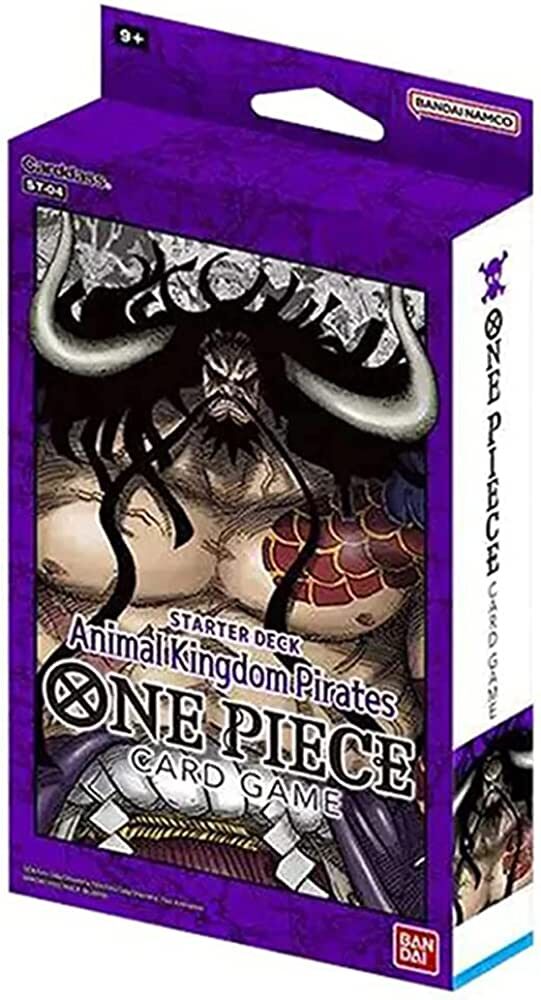
"One Piece Starter Deck Animal Kingdom Pirates EN" is an exciting starter deck for the One Piece card game, inspired by the enormously popular anime and manga "One Piece". This particular starter deck focuses on the Animal Kingdom Pirates, a notorious pirate crew that plays a key role in the "One Piece" universe.The starter deck contains a predefined mix of cards, perfectly balanced to form a solid foundation for your deck and let you get started quickly. The cards represent different characters, items and special events, all directly connected to the Animal Kingdom Pirates, and offer a wide range of attack, defence and special abilities.Since this deck is in English, all the text on the cards is written in English, making the game easily accessible for English-speaking players or those comfortable with the English language. The cards themselves are made of high-quality material and feature vivid, detailed illustrations that vividly depict the characters and scenes from "One Piece"."One Piece Starter Deck Animal Kingdom Pirates EN" is ideal for new players looking to get started with the One Piece card game, but also for experienced players wanting to expand their existing deck with new cards and strategies. With its focus on the Animal Kingdom Pirates, it offers an exciting and unique perspective on the "One Piece" universe and lets players experience their favourite moments and characters from the series in a new and exciting way.
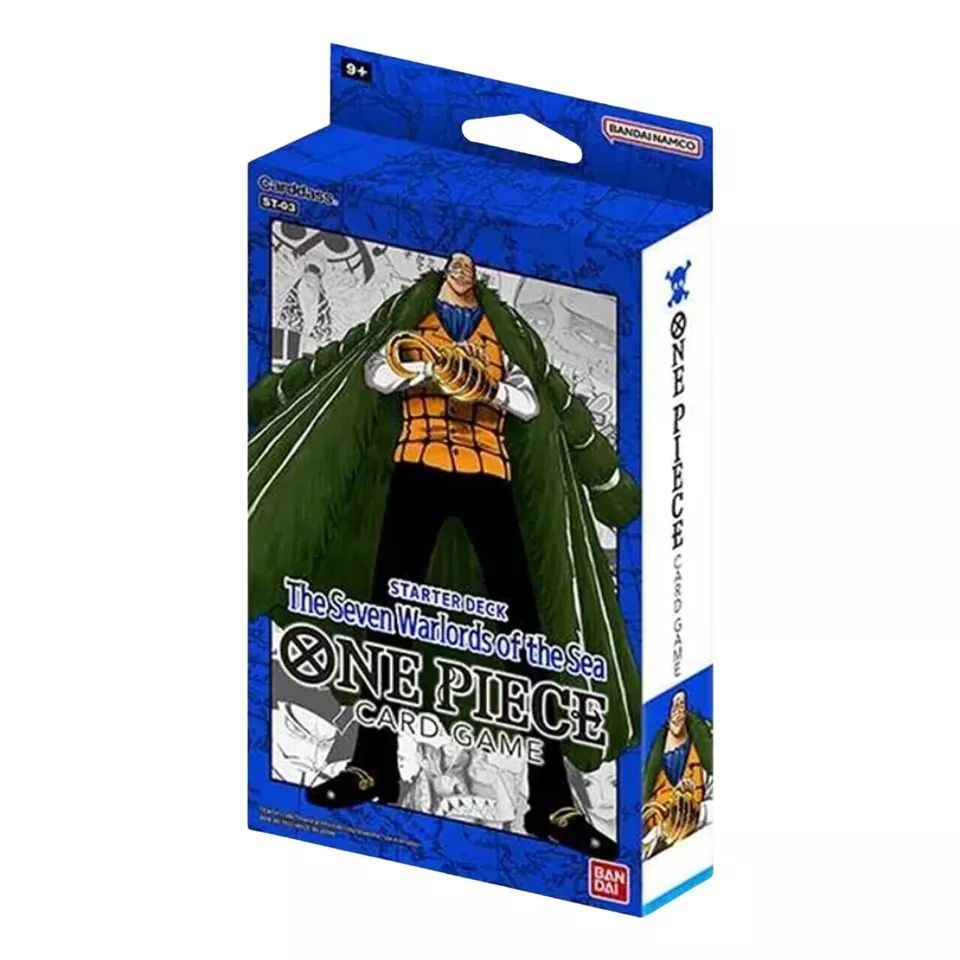
"One Piece Starter Deck The Seven Warlords of the Sea EN" is an excellent entry-level deck for the One Piece Card Game, based on the popular anime and manga "One Piece". This special Starter Deck focuses on the group of the Seven Warlords of the Sea, a collection of powerful pirates who act as both antagonists and allies in the "One Piece" story.The Starter Deck contains a preselected mix of cards specifically tailored to create a solid foundation for your deck and get you into the game quickly. The cards represent various characters, equipment and special events, all connected to the Seven Warlords of the Sea, offering a mix of attack, defence and special abilities.As this is an English deck, all text on the cards is written in English, making the game more accessible to those familiar with the English language. The cards themselves are of high quality and feature colourful, detailed illustrations that bring the characters and moments from "One Piece" to life."One Piece Starter Deck The Seven Warlords of the Sea EN" is perfect for new players wanting to get into the One Piece Card Game, but also for experienced players looking to spice up their existing deck with new strategies and cards. With its focus on the Seven Warlords of the Sea, it offers a unique perspective on the One Piece universe, letting players experience their favourite moments and characters from the series in a new and exciting way.
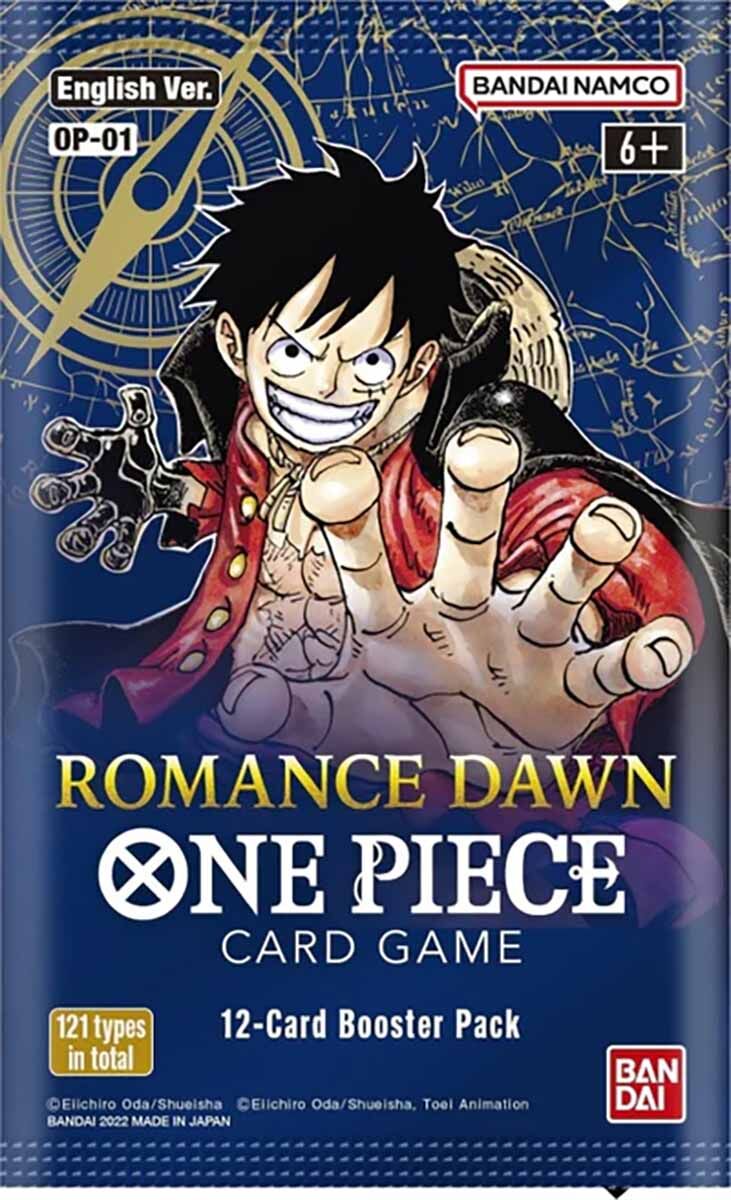
12 Cards per Pack
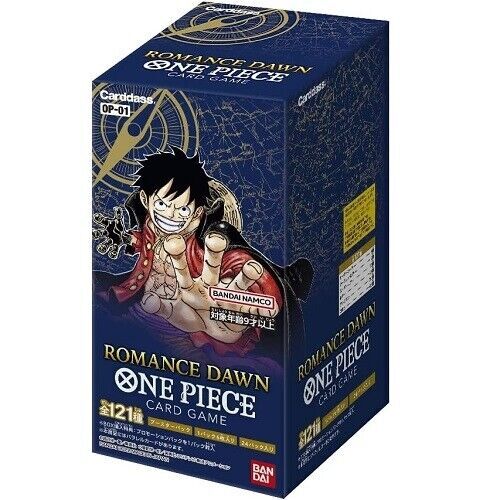
"One Piece Card Game Romance Dawn Single Booster JP" is an exciting expansion for the "One Piece" card game, based on the popular anime and manga "One Piece". "Romance Dawn" is a special expansion that focuses on the beginnings of the series and offers a deeper insight into the origins of the characters and their adventures.Each "Romance Dawn" single booster pack contains a selection of randomly chosen cards based on well-known characters, events and key moments from the "Romance Dawn" storyline. These cards not only expand your collection, but also offer a wide range of strategic options to strengthen your deck and hold your own against other players.The cards in this booster pack are of high quality and feature detailed, colourful illustrations that perfectly capture the spirit and adventure of "One Piece". Each card also includes relevant information and data in Japanese that contribute to strategy and gameplay.Whether you're a passionate collector of "One Piece" merchandise, a fan of the card game, or simply want to learn more about the world of "One Piece", the "One Piece Card Game Romance Dawn Single Booster JP" is a great addition to any collection. With its focus on the beginnings of the series, it's a great way to explore and relive the origins of your favourite characters and moments.
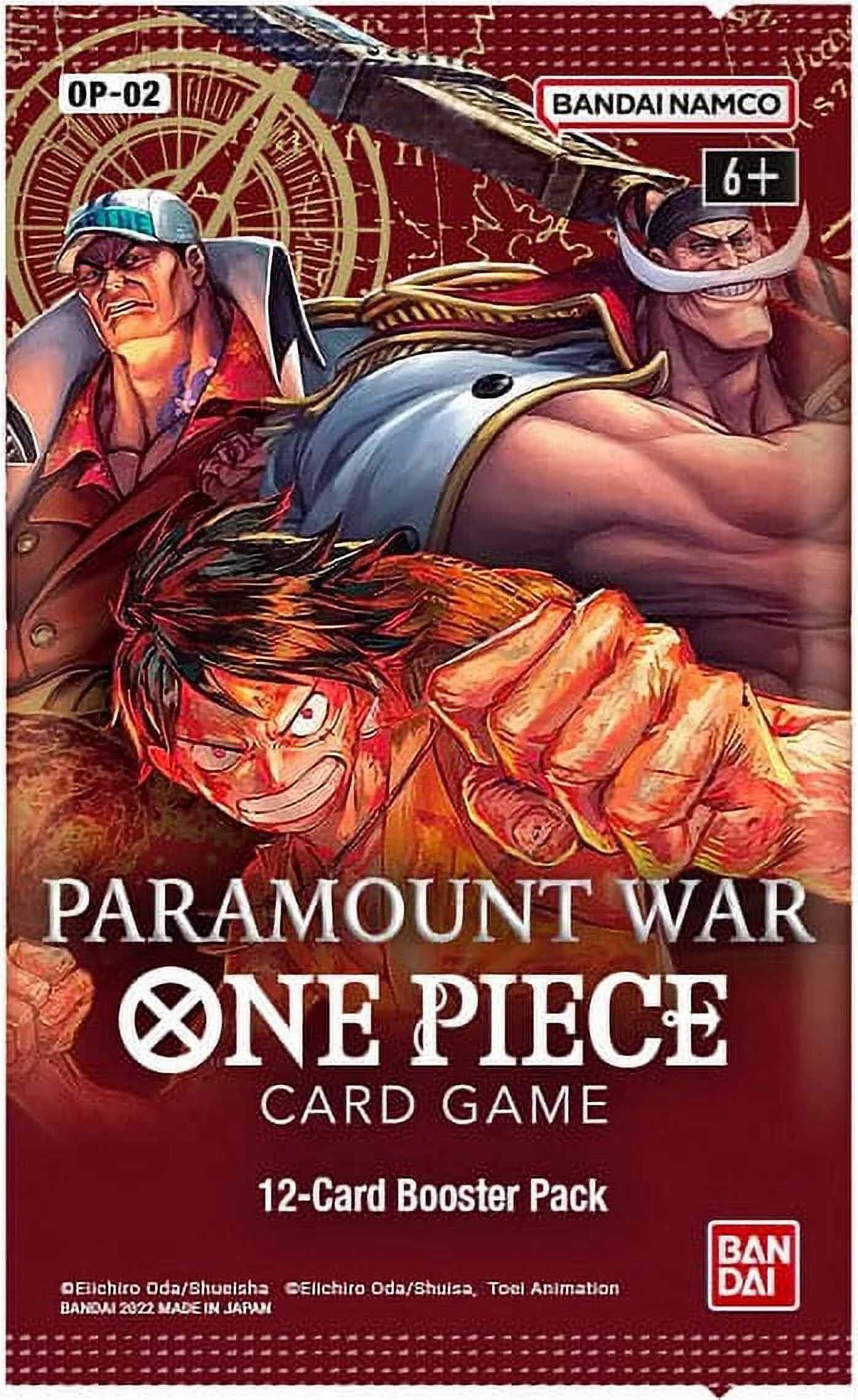
12 Cards per Pack
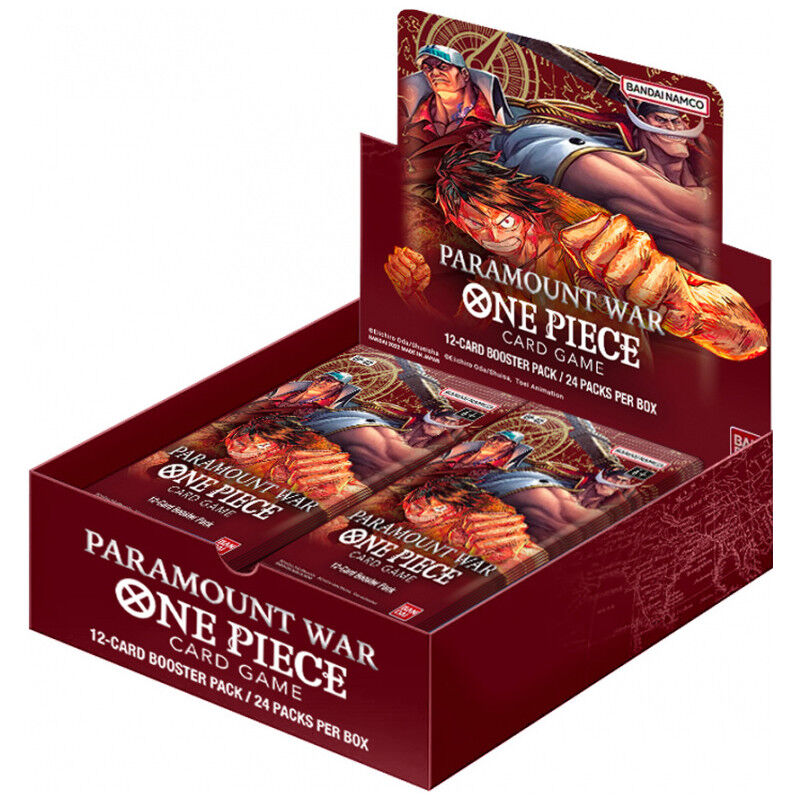
1st Print (Red Bottom)A second booster themed around PARAMOUNT WAR! Featuring characters such as the Whitebeard Pirates, the Three Admirals, Ivonkov and many others who went on a rampage in PARAMOUNT WAR! Also includes a number of cards that can enhance the deck being released simultaneously!Full-fledged inclusion of the new "Black" colour cards! Enhancing the decks being released simultaneously and including new combinations of multicoloured leaders, such as the red and black GARP, and more! Adding a new range of strategies through combos never seen before!One display contains 24 packs.Total: 121 types12 cards per packLeader: x8Common: x45Uncommon: x30Rare: x26Super Rare: x10Secret Rare: x2*This product also includes alternative art and parallel design cards from the above types.*Box Topper x1
One Piece card rarity: how often the cards appear
The rarity levels indicate how frequently or how rarely a particular card appears within a set. What matters above all is the distribution of the cards and the probability of pulling a particular card from a booster.
“Rare” does not automatically mean that a card is extremely hard to get. Rare (R) sits between the more frequent Common and Uncommon cards and the considerably rarer Super Rare and Secret Rare cards.
A good example of this is one of the first sets of the One Piece Card Game: Romance Dawn (OP01). The set comprises a total of 121 regular cards spread across various rarity levels.
The exact breakdown is even printed on the back of the Booster Packs:
- 45 Common (C)
- 30 Uncommon (UC)
- 26 Rare (R)
- 10 Super Rare (SR)
- 2 Secret Rare (SEC)
- 8 Leader Cards (L)
- + additional Alternate Art cards
A look at the rarity symbol is therefore the starting point for every passionate collector. It is not the only criterion that should be taken into account, however, because the card variant plays an important role as well.
A Super Rare (SR) is therefore not automatically as sought after as every other SR card. If an Alternate Art version also exists, it can be in much higher demand thanks to its special design and lower availability.
With One Piece rarities it is therefore important to always take the respective card variant into account alongside the rarity symbol.
What makes One Piece cards valuable?
As with all trading cards, the price of a card depends heavily on its demand – and that can change over time. Cards that nobody had on their radar until recently can therefore build up a real hype within a very short time and gain a lot of value.
But demand alone is not the only reason for the value of a card. Let's take a closer look at the most important factors:
- Limited availability: First editions, event cards and certain promos in particular are sometimes not reprinted at all or only to a very limited extent and can therefore become harder to find over time.
- Demand for popular characters: Demand is and remains a main driver of the price. Characters such as Monkey D. Luffy, Shanks or Portgas D. Ace are extremely popular worldwide and are sought after by players and collectors alike.
- Low pull rate: The One Piece card rarity levels are a good indicator of the value of a card. Especially rare cards such as Secret Rares (SEC) appear only very rarely in boosters and therefore often become popular chase cards within a set.
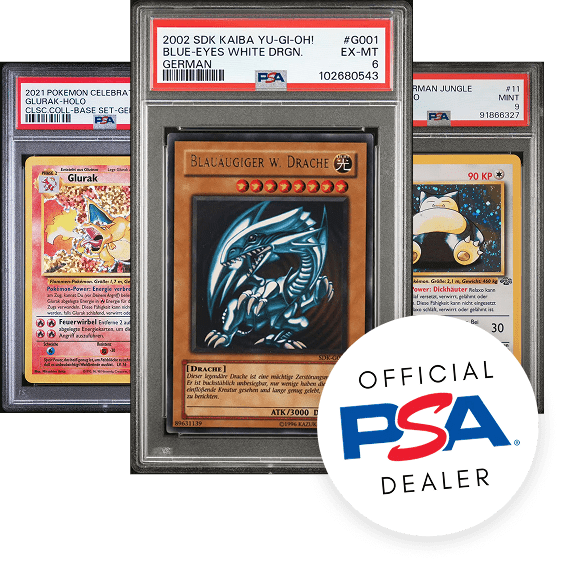
- Condition of the card: Alongside the character and the rarity, the condition of the card itself also plays an important role in assessing its value. Cards that have been graded by professional organisations such as PSA often achieve considerably higher prices than the ungraded version.
Cards with a PSA 10 grading in particular are sought after by collectors, because PSA 10 stands for an especially high state of preservation.
Tip: as an official PSA dealer, AMAZINGTOYS® has been sending your trading cards straight to the new PSA headquarters in Frankfurt for grading since 1 July. There your cards are first checked for authenticity and then assessed according to the official PSA standard.
PSA Grading Switzerland: service for Pokémon and other cards
- Globally recognised grading to determine the value of your cards
- Safe and personal at the AMAZINGTOYS® Store in Zurich
- CHF 125.00 per TCG card (plus any upcharges from PSA)
So rare cards are not automatically valuable. As you can see, the value depends much more on an interplay of different factors:
Rarity + character + artwork + variant + condition + demand = collector value
A Secret Rare, for example, can be worth less than an Alternate Art that is currently in high demand. Always keep the bigger picture in mind during your search in order to increase the value of your collection in the long term.
One Piece rarities: what makes Alternate Arts so special?
Alternate Arts (AA) are particularly rare and sought-after cards in the One Piece TCG. They are alternative illustrations that stand out thanks to elaborate artwork which often extends across the entire card.
AA cards often also come with holo effects or a special texture, which makes them visually unique on top of that.
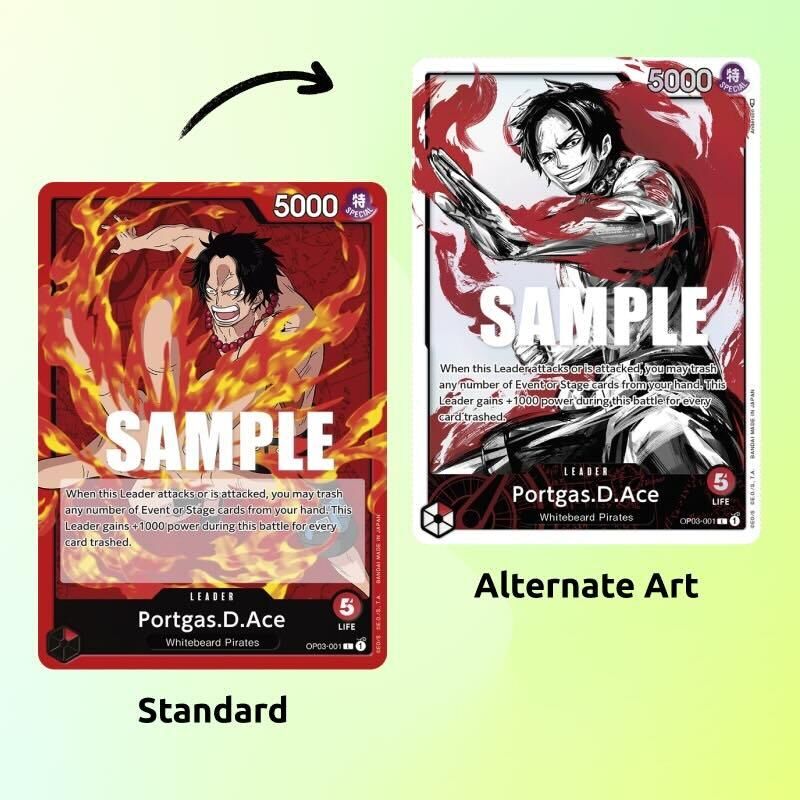
AA cards often have the same properties as the regular version of the card, but their rarity makes them considerably more interesting for collectors. A Booster Box consisting of 24 Booster Packs usually contains 1-3 Alternate Art cards. The exact distribution and pull rate depend on the respective set, however.
That makes AA cards popular collector's items that are often resold at high prices on the secondary market.
Special Cards and other One Piece rarities
Like other TCGs, One Piece is constantly evolving. Over time, further card variants have been added that can be particularly valuable for players and collectors.
One of these variants are the so-called “Special Cards”, abbreviated to SP on the card. Like Alternate Arts they have elaborate illustrations, but they appear even more rarely, which tends to increase their value.
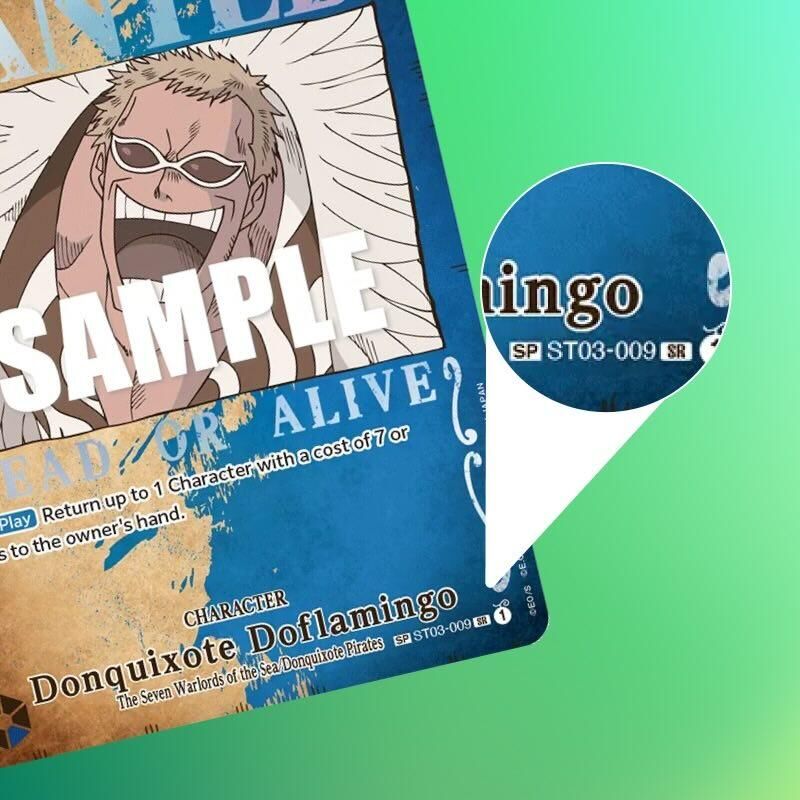
Alongside the Special Cards there are also the Treasure Rare (TR) cards. They appear in the newer sets, but occur only extremely rarely.
The One Piece TCG rarity levels are therefore not exactly the same in every set, which makes it harder, but also more exciting, for collectors to get hold of particularly sought-after cards.
Buying One Piece rarities: avoid these mistakes
As a collector or player you now have various options for buying One Piece rarities. However, you should keep important factors in mind so that you do not accidentally end up with the wrong or even a counterfeit card.
With rare cards in particular it is important to look out for reputable and trustworthy dealers. It is therefore best to rely on official shops and specialised trading card dealers.
Do the AMAZINGTOYS® Trade-In
- Sell or trade in Pokémon, Magic, One Piece and Yu-Gi-Oh! cards
- Assessment by a pro – guaranteed fair price
- Bulk, sealed, single cards and entire collections
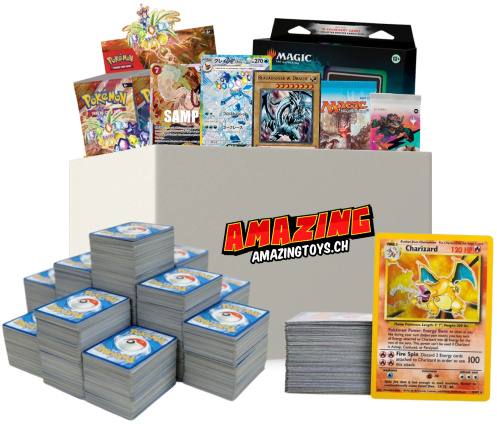
Alternatively, you can also bid for cards on the secondary market or on international marketplaces. This widens your search and increases the chance of coming across particularly rare and valuable cards. At the same time, however, the risk of counterfeits or incorrectly described cards rises as well.
These are the features you should look out for before buying:
- Authenticity of the card: Look closely at print quality, colours, typeface, holo effects and paper quality in order to spot possible counterfeits.
- Exact card variant: Check whether it is a regular card, an Alternate Art, SP, SEC, Manga Rare or a Promo.
- Condition: Scratches, whitening, damaged corners or printing flaws can have a significant effect on the value.
- Set and card number: Compare the card number and the corresponding set, as there are sometimes different versions of a card.
- Price comparison: Compare several offers and find out about current market prices before you buy a rare card.
- Trustworthy dealer: Buy high-value rarities from established and reputable dealers wherever possible.
- Storage: Make sure the card is packed securely and shipped protected against damage.
- Grading: For particularly valuable cards, professionally graded copies, for example from PSA, can be an interesting option.
Tip: as an official PSA dealer, AMAZINGTOYS® has been sending your trading cards directly to the new PSA headquarters in Frankfurt for grading since 1 July. There your cards are first checked for authenticity and then assessed according to the official PSA standard.
Conclusion: rare does not automatically mean valuable
When looking for genuine One Piece rarities, it is not enough to look at the rarity symbol alone. The rarity symbol gives you a first indication of which rarity level a card belongs to, for example Secret Rare (SEC) or Common (C).
Alongside the classic rarity levels there are also Leader cards (L) and Promo cards (P), which often enjoy a special standing in the collector world because of their exclusivity. Alternate Arts, too, are often regarded as particularly sought-after thanks to their elaborate illustrations.
If you want the full picture of what a One Piece TCG card is worth, you should always take current demand, the character, the specific card variant and the general condition of the card into account as well. That way you too can build up a collection of One Piece rarities that is not easily matched.
FAQ: what makes One Piece rarities so special?
The classic rarities include Common (C), Uncommon (UC), Rare (R), Super Rare (SR) and Secret Rare (SEC). On top of that there are Leader cards (L), Promo cards (P) and various parallel and special variants.
The most sought-after cards include Secret Rares (SEC), Alternate Arts and Manga Rares.
The value of a One Piece card depends not only on its rarity, but also on factors such as the set, the character, the card variant, the condition and current demand.
When buying, always go for reputable dealers and official shops. Online marketplaces sometimes offer a larger selection, but also a higher number of fakes.
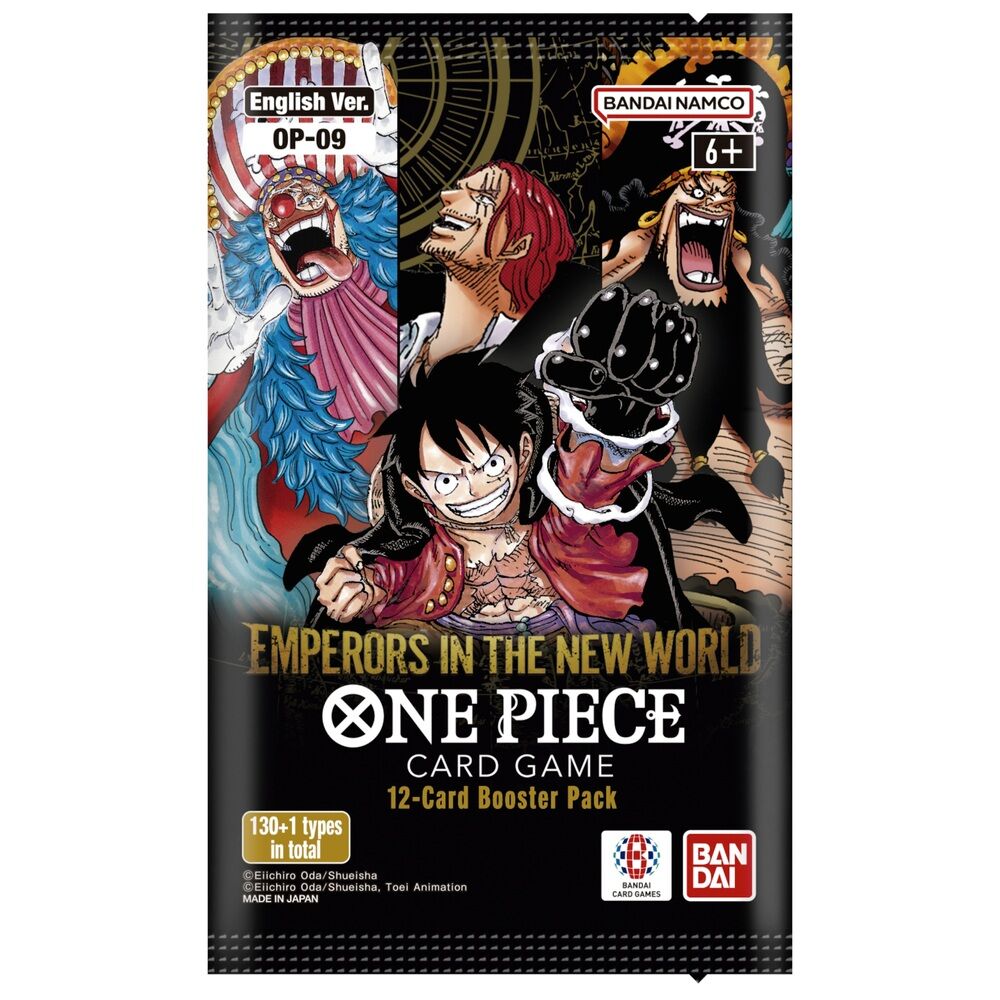
The cards in this edition boast an unprecedented, magnificent design that makes them an irresistible must-have for any ONE PIECE collection!The new Four Emperors take the helm in Pack 9!Luffy and Buggy finally join Shanks and Teach as the new Four Emperors! Many cards inspired by the One Piece Odyssey theme also make their debut in this pack, offering players new strategic possibilities!Combine new and existing cards for powerful decks!Players can use the new cards to strengthen a wide variety of existing decks! On top of that, decks built around the new cards are strong enough to give beginners the chance to compete with experienced players!OP-09 Rarities12 cards in a booster pack
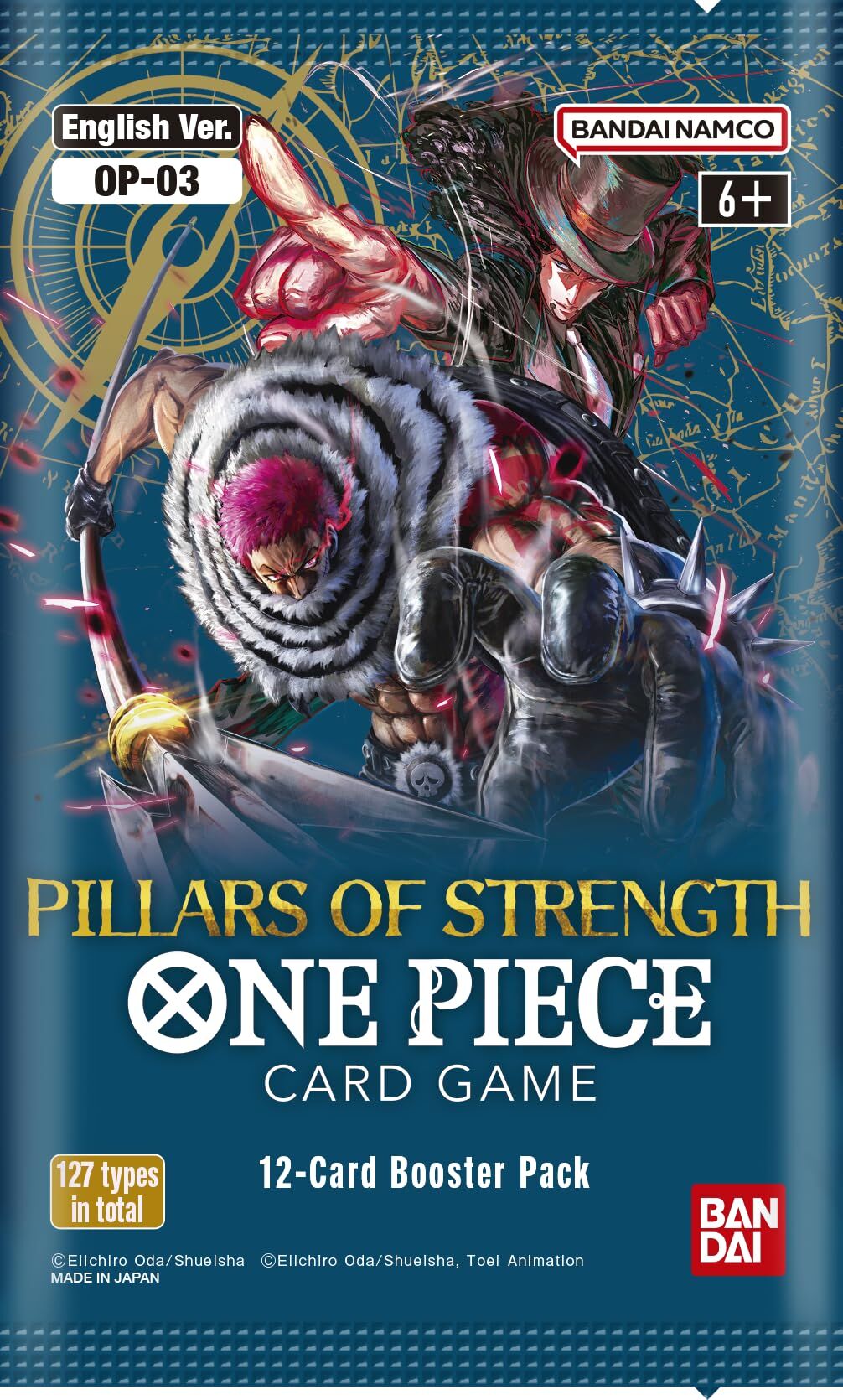
Pillars Of Strength OP-03 Booster - One Piece Card Game Language: English The third One Piece Card Game booster is now available, themed around PILLARS OF STRENGTH! The mighty enemies who confronted Luffy and his crew join the fray! A third booster themed around the strong enemies of the past! Featuring characters from Water 7, East Blue, and the Big Mom Pirates! Also includes a number of cards that can strengthen the deck [ST-07], releasing at the same time! Full-fledged inclusion of the new "Yellow" colour cards! Strengthening the decks releasing at the same time, including new multicoloured leader combinations! Adding a new range of strategies through combos never seen before! Contents of one booster: 12 cards per booster
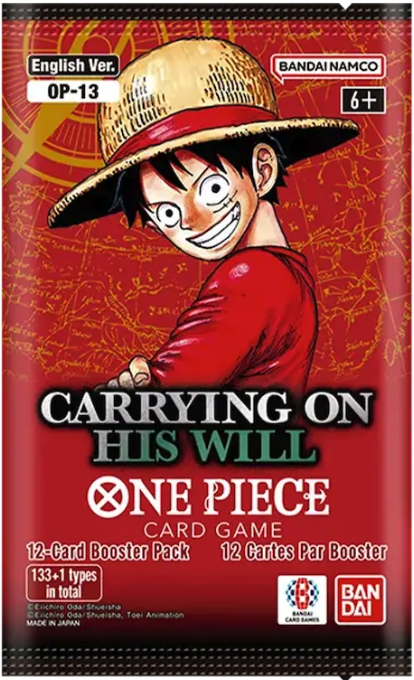
Contents:12 cards per booster pack
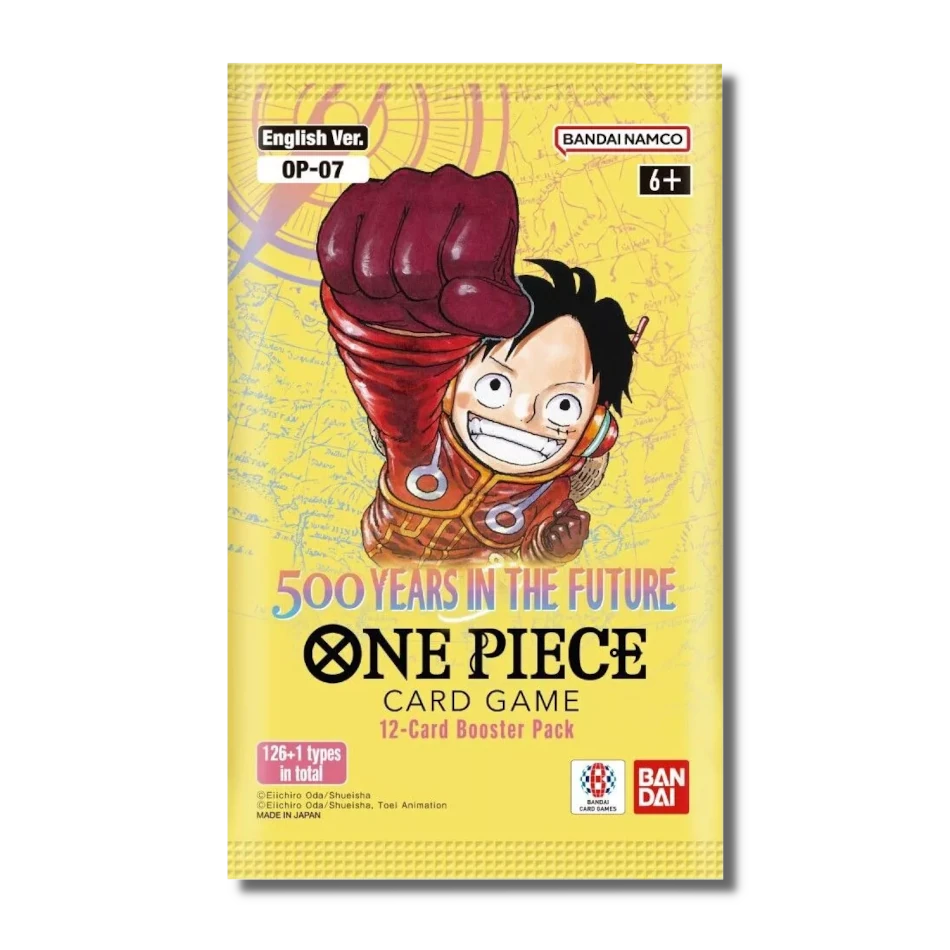
Each Booster Pack contains 12 random cards
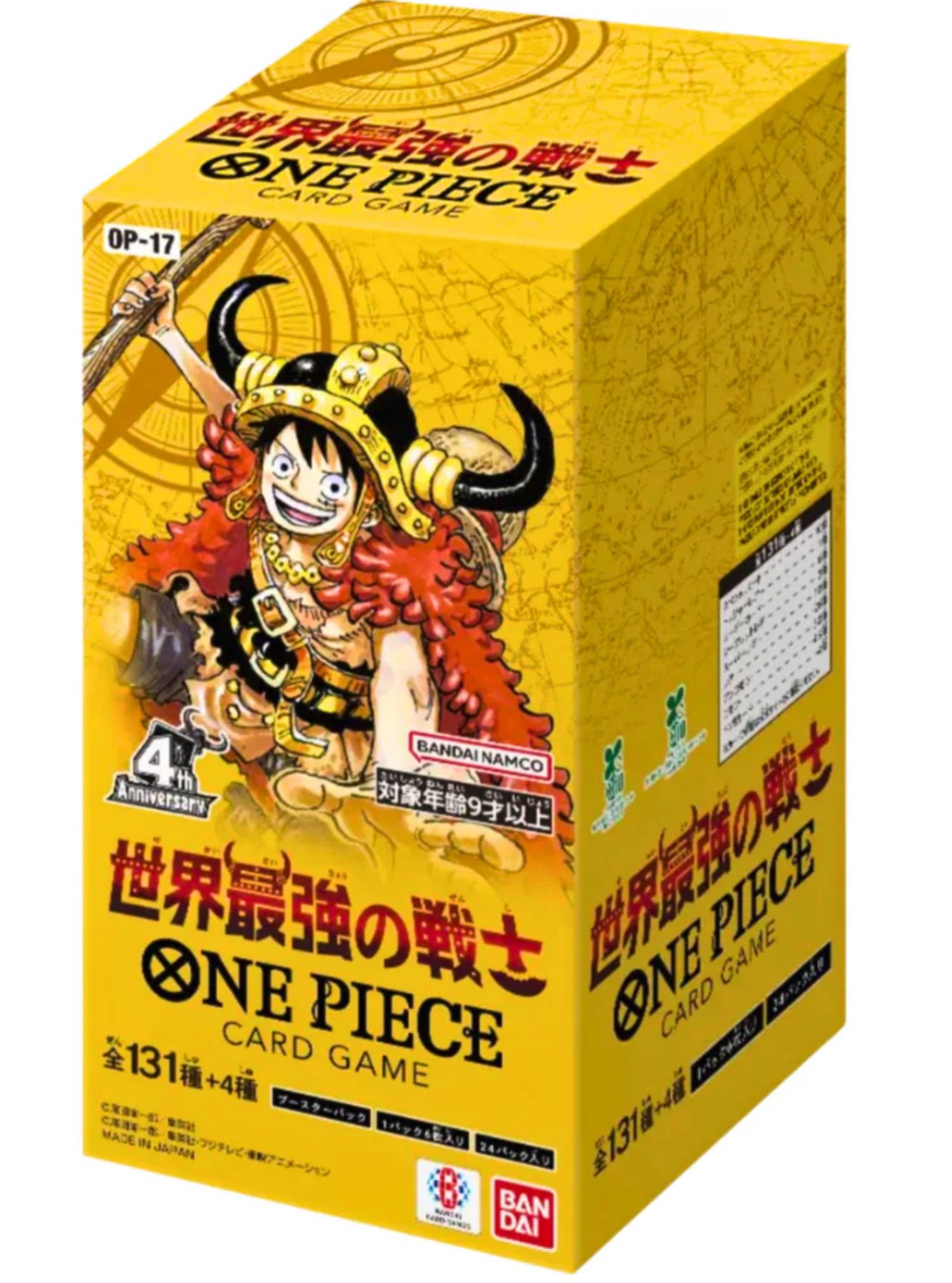
The Booster Box for the set One Piece OP-17 The World's Strongest Warriors in the English version. It contains 24 boosters with 12 cards each.Contents: 24 boosters per boxPer booster: 12 cardsLanguage: EnglishSet: 135 cards, with new Treasure Rare rarityRelease date: 28 August 2026OP-17 is the 4th Anniversary Set of the One Piece Card Game and comprises 135 cards (131+4 types). Newly introduced is the Treasure Rare rarity, which ranks above Secret Rare. Thematically, the set revolves around the Elbaf Arc and the Yonko, the Four Emperors, with six Leader cards: Edward Newgate, Monkey D. Luffy, Shanks, Kaido, Charlotte Linlin and Rocks D. Xebec. The set officially releases in Japan on 22 August 2026 and internationally on 28 August 2026.Sealed original merchandise, sourced directly. Shipped from our own warehouse in Zurich, free of charge within Switzerland from CHF 149.-.
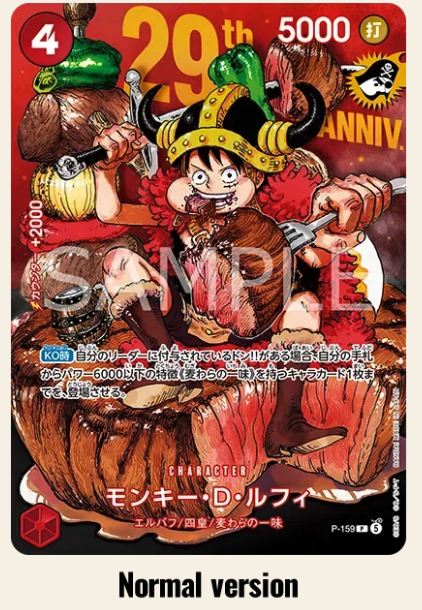
Condition Notice:This item is unused and is sold as an ungraded collectible. As a mass-produced and distributed promotional item, minor manufacturing or handling imperfections may be present, including light surface marks, print lines, slight edge or corner wear, or minor curvature.* "Unused" does not guarantee mint condition or eligibility for any particular PSA, BGS, CGC, or other grading result.
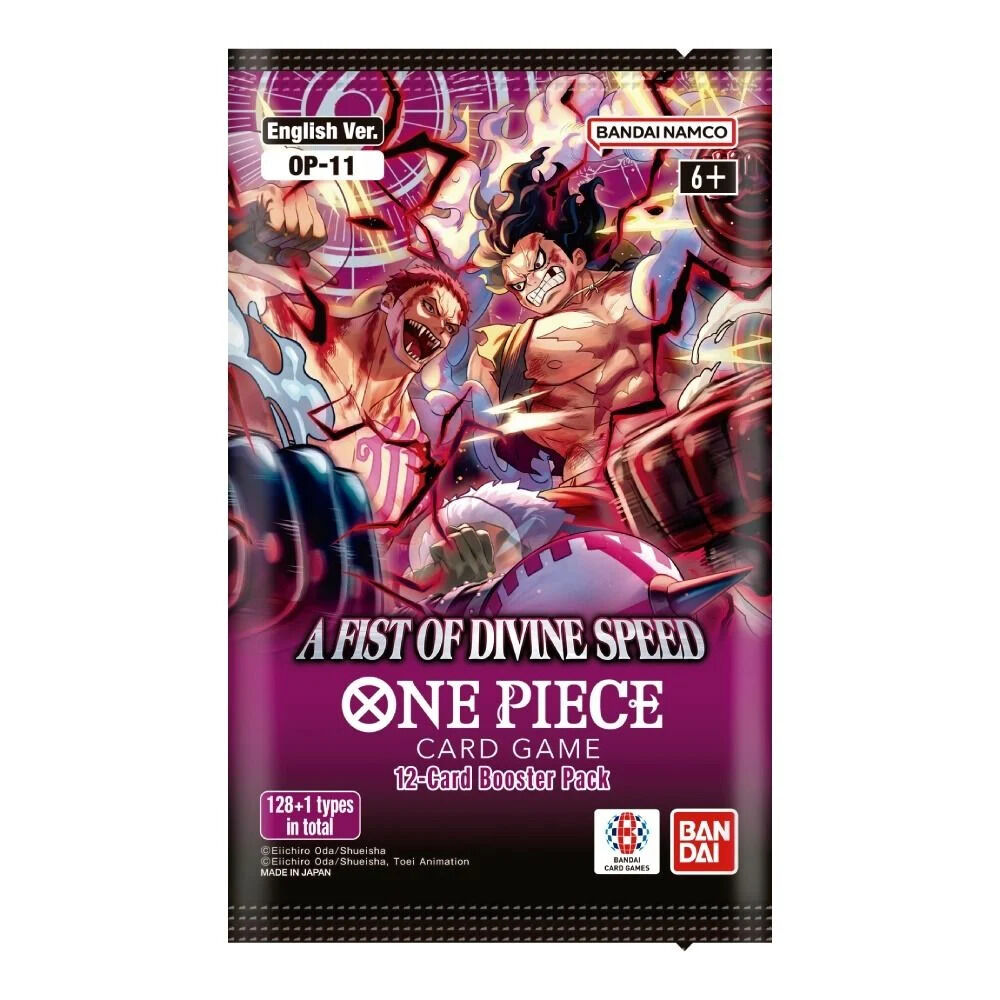
1 Booster pack: 12 Cards
12 Cards per Pack
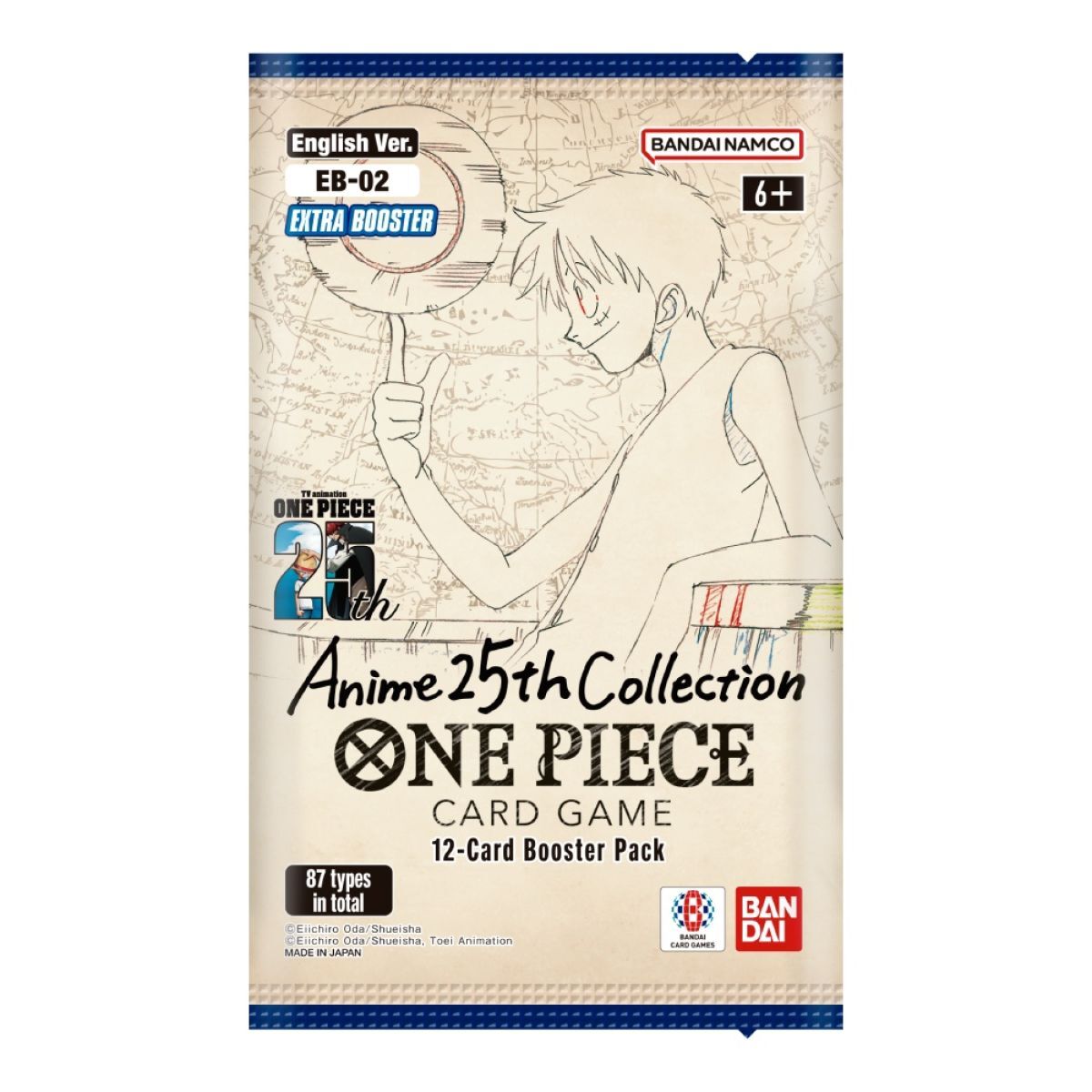
One Piece EB-02 Extra Booster PackLanguage: English Contents:1 Booster Pack contains 12 cards.
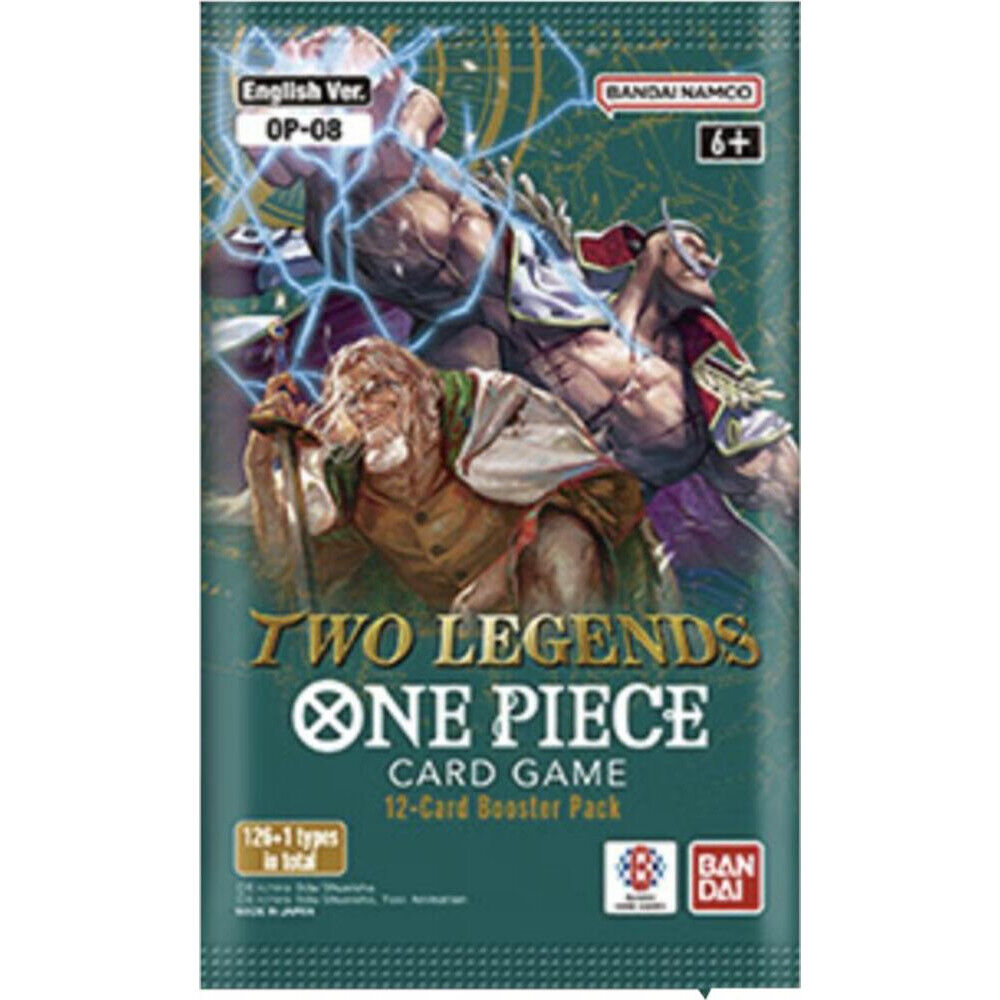
Contains:1 Booster contains 12 cards
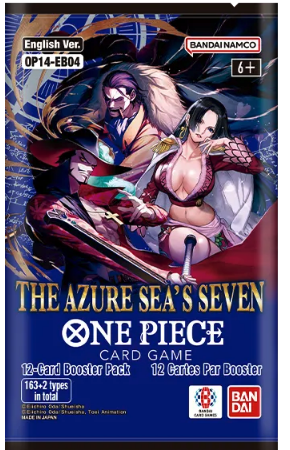
Contents:12 cards per booster pack
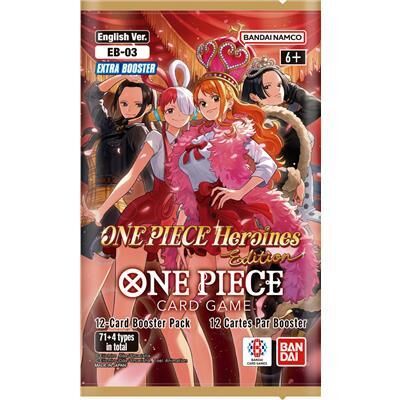
Unleash the power of the legendary heroines from the One Piece universe! With the EB-03 Heroines Edition Booster Pack you secure brand-new cards, breathtaking illustrations and strategic possibilities for your deck.✨ Highlights: Official English edition (EN) Focus on iconic female characters Perfect for upgrading existing decks Chance of strong Rare, Super Rare & Special cards Ideal for collectors & competitive players Every booster pack brings pure excitement – which heroine will you pull? Strengthen your strategy, expand your collection and secure sought-after cards before they're sold out.⚓ Ready for the next adventure? Get your Heroines Edition EB-03 Booster Pack now and dominate the field in the One Piece Card Game!