
The difference of a hair’s breadth
 Thomas Sr. (Captain Collector)Last updated: 17 September 2021 approx. 3 min read
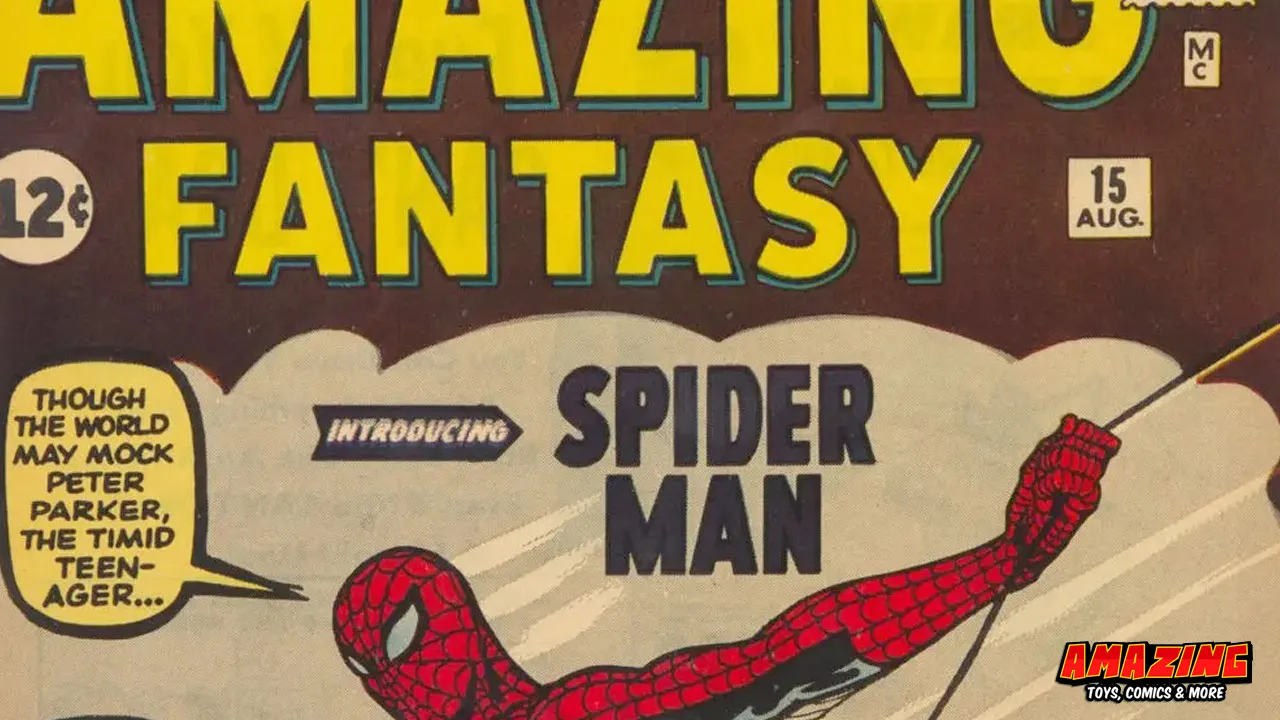
A price record has been broken again recently. A copy of Amazing Fantasy #15 with the first appearance of Spider-Man actually brought in more than Action Comics #1. And that even though the Spidey issue only dates from 1963.
Spider-Moneymaker-Man
The issue had been certified by CGC as a 9.6 and fetched a staggering 3.6 million dollars. That is 350,000 dollars more than the Action Comics #1 sold in April, graded 8.5 by CGC. (That, by the way, is the same copy that had been sold for 2.2 million a few years earlier.)
Everyone who has insisted until now that Action Comics #1 from 1938 is the superhero comic par excellence has now been proved wrong. Perhaps it is simply too old school, perhaps the first Spider-Man issue from 1963 is a little “more modern” and more in demand.
But let us take a closer look at this first Spidey. It is an excellent 9.6 on the Overstreet Numerical Equivalent scale, a so-called Near Mint Plus. Until now the most expensive copy of this issue was a 9.4, so “merely” a Near Mint, worth a paltry 1.4 million dollars, sold a good year ago.
The difference is what counts
Between a 9.4 and a 9.6 there is only a hair’s breadth of difference, but in monetary terms the two issues are worlds apart. The 9.6 brings in almost three times as much as the 9.4. So it is this minute difference, this tiny little gap, that decides everything. According to the FMV estimate (Fair Market Value), a 9.8, if it exists at all, would bring in 8.8 million dollars. Absolutely insane.
This sale of Amazing Fantasy #15 once again shows the crazy trend currently prevailing on the collectors’ market, and by no means only with comics. With High Grade copies it is all about the hair’s breadth. It is imperative to get the largest possible number behind the nine!
But this is also where criticism could start of the almighty absolutism of CGC, and of course of the collector scene’s blind obedience of faith as well. Whatever is welded between transparent plastic covers for eternity and given a numbered certificate is blindly taken on board and accepted.
We could also ask heretically: why did this copy of Amazing Fantasy #15 get a 9.6 and not a 9.2 or a 9.4? Or why not a 9.8? CGC does not let anyone look at its cards here, and an ordinary mortal comic collector (and I definitely see myself in that role) will probably never see the difference in this High-End range either. And that has not only to do with my long-sightedness.
In the end it does not matter, it is simply the way it is. The issue got a 9.6, and the owner certainly did not complain. Unless he was aiming higher and had hoped for a 9.8!
I look back wistfully at my copy of Tomb of Dracula #10 from 1973, which I got back from CGC with “only” a 9.4. The issue may have had potential for more, but before sending it off I had rated it quite dispassionately at 9.0.
Captain Collector’s collector wisdom

The Gengar Sitting Cuties Plush is weighted with microbeads, so it sits up when you put it on a flat surface. This palm-sized plush is a fun, charming way to show off a favourite Ghost- and Poison-type Pokémon originally discovered in Kanto! Measures about 11 cm tall and 11.5 cm wide Sits up easily on a desk, shelf, or other flat surface Where will you set Gengar? Part of the Sitting Cuties collection—known as Pokémon fit in Japan Includes Gengar Sitting Cuties Plush (other pictured items not included) Pokémon Center Original More Details: Item Dimensions: 11 x 11.5 x 8.5 cm Country Of Origin: Made in China. Materials: All new material / polyester fiber / polyethylene Care Instructions: Surface Wash Only Recommended Age: 4+ Years Item Weight: 68 g
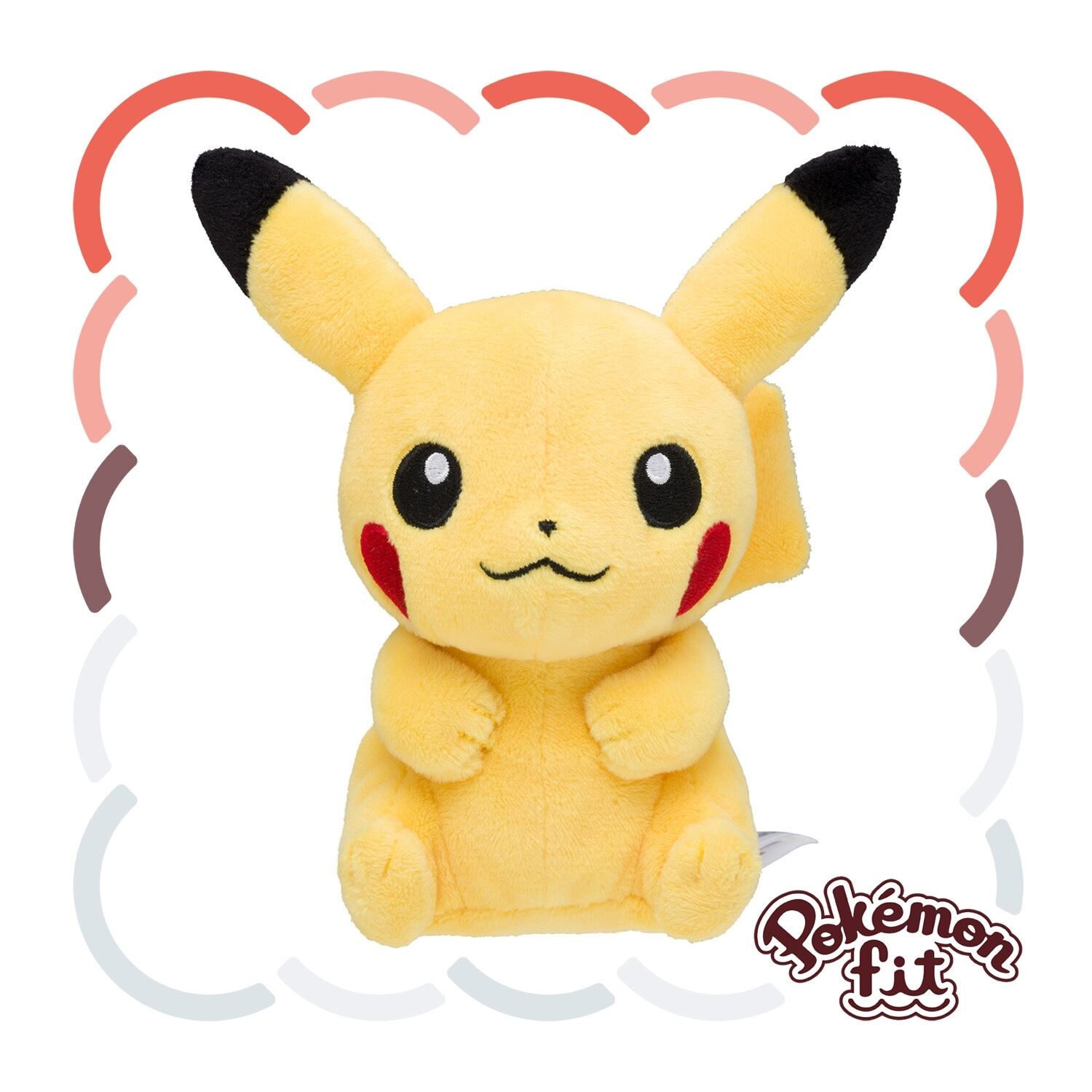
The Pikachu Sitting Cuties Plush is weighted with microbeads, so it sits up when you put it on a flat surface. This palm-sized plush is a fun, charming way to show off a favourite Electric-type Pokémon originally discovered in Kanto! Measures about 12 cm tall and 12 cm long Sits up easily on a desk, shelf, or other flat surface Where will you set Pikachu? Part of the Sitting Cuties collection—known as Pokémon fit in Japan Includes Pikachu Sitting Cuties Plush (other pictured items not included) Pokémon Center Original More Details: Item Dimensions: 12 x 12 x 8 cm Country Of Origin: Made in China Materials: All new material / polyester / polyethylene Care Instructions: Surface Wash Only Recommended Age: 4+ Years
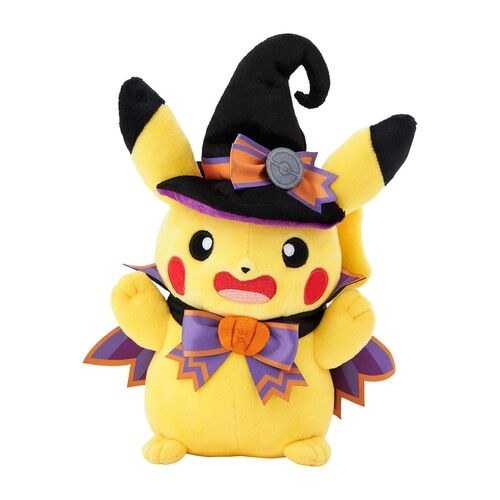
A Pikachu plush toy enjoying Halloween in the Paldea region!Who's riding on the hat...?
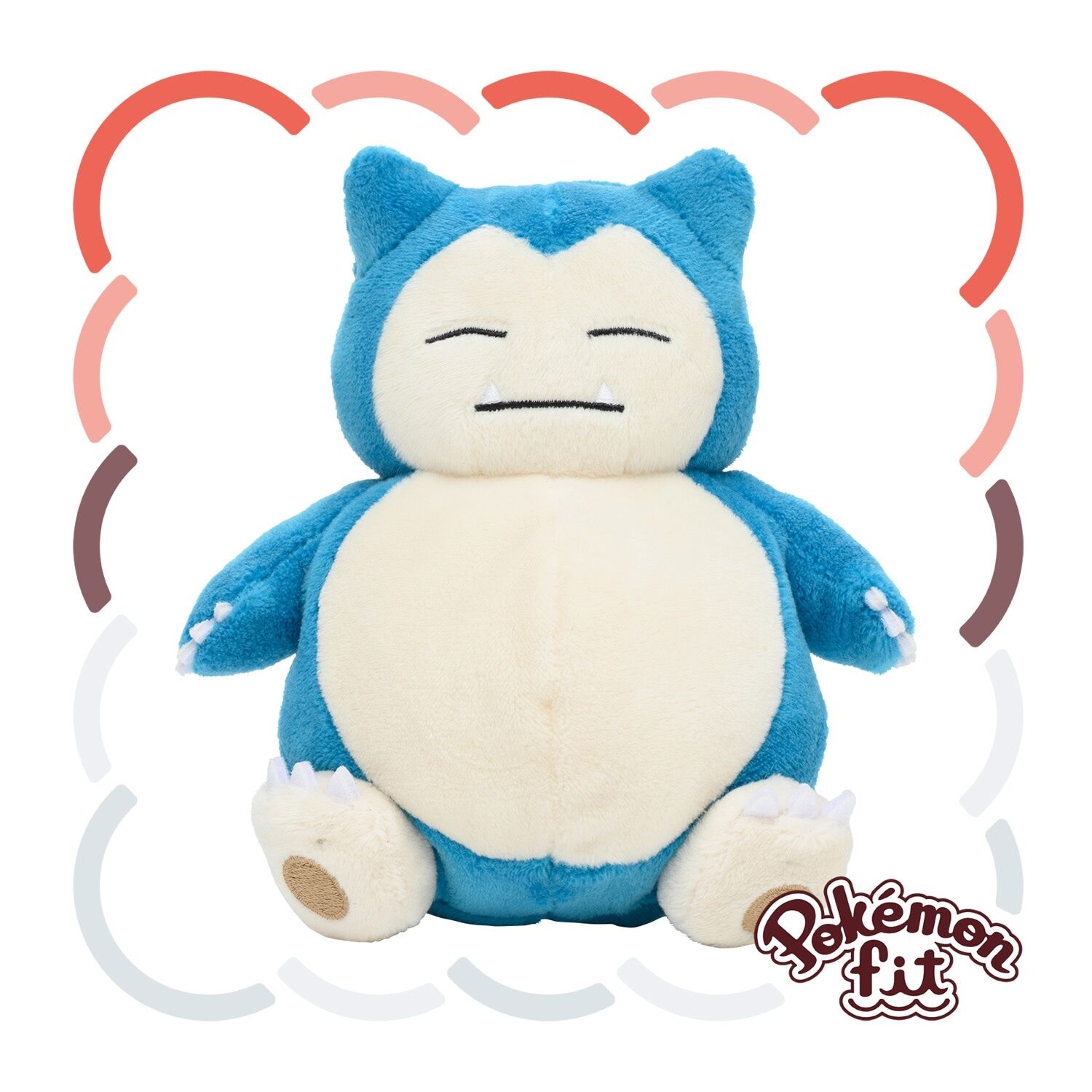
The Snorlax Sitting Cuties Plush is weighted with microbeads, so it sits up when you put it on a flat surface. This palm-sized plush is a fun, charming way to show off a favourite Normal-type Pokémon originally discovered in Kanto! Measures about 12 cm tall and 11 cm wide Sits up easily on a desk, shelf, or other flat surface Where will you set Snorlax? Part of the Sitting Cuties collection—known as Pokémon fit in Japan Includes Snorlax Sitting Cuties Plush (other pictured items not included) Pokémon Center Original More Details: Item Dimensions: 12 x 11 x 7.5 cm Country Of Origin: Made in China Materials: All new material / polyester fibre / polyethylene Care Instructions: Surface Wash Only Recommended Age: 4+ Years
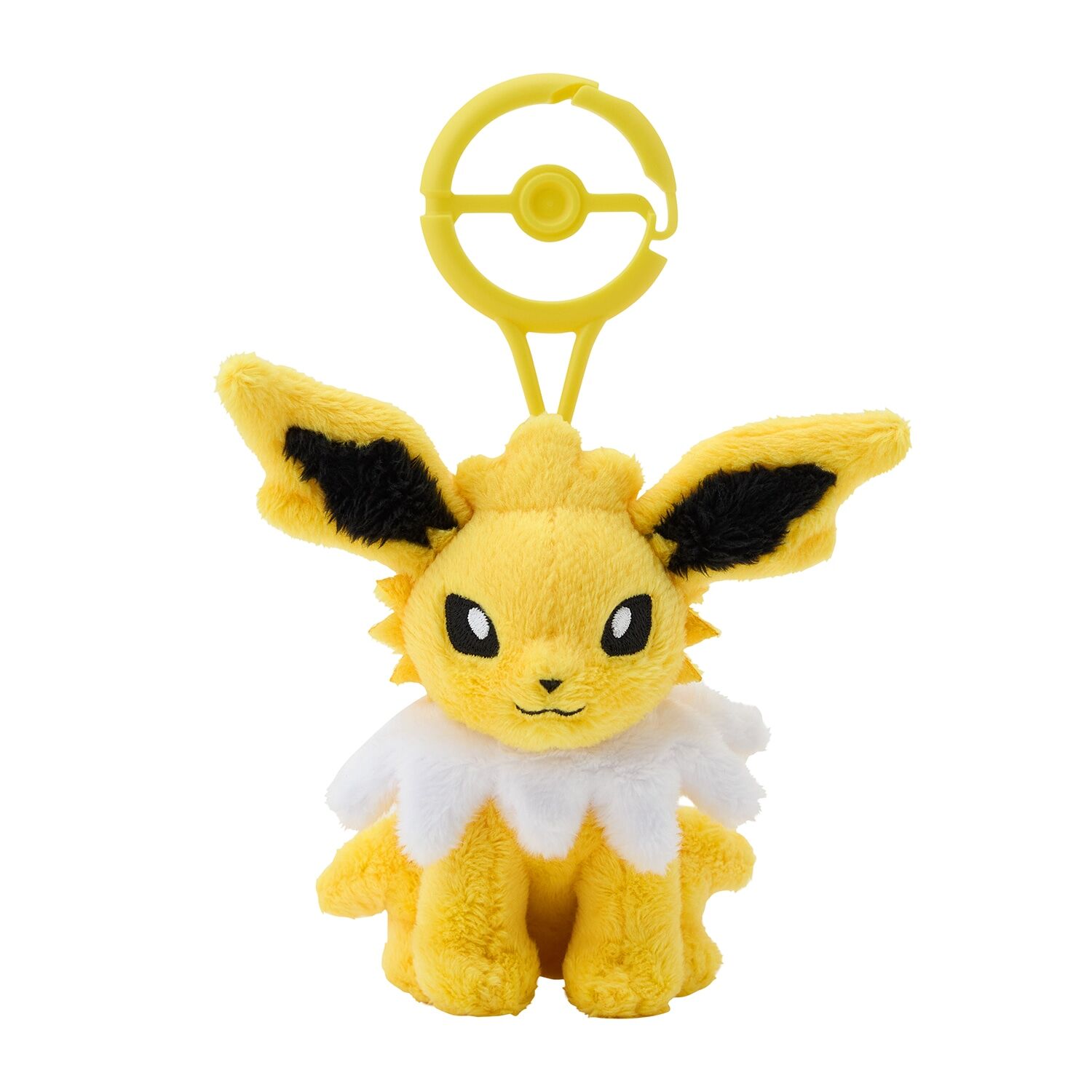
Measures about 16 cm high and 11 cm long Pokémon Center Original More Details: Item Dimensions: 16 x 11 x 8 cm Country Of Origin: Made in China Materials: Polyester / polyethylene Care Instructions: Hand Wash Only. Line Dry. Item Weight: 31 g
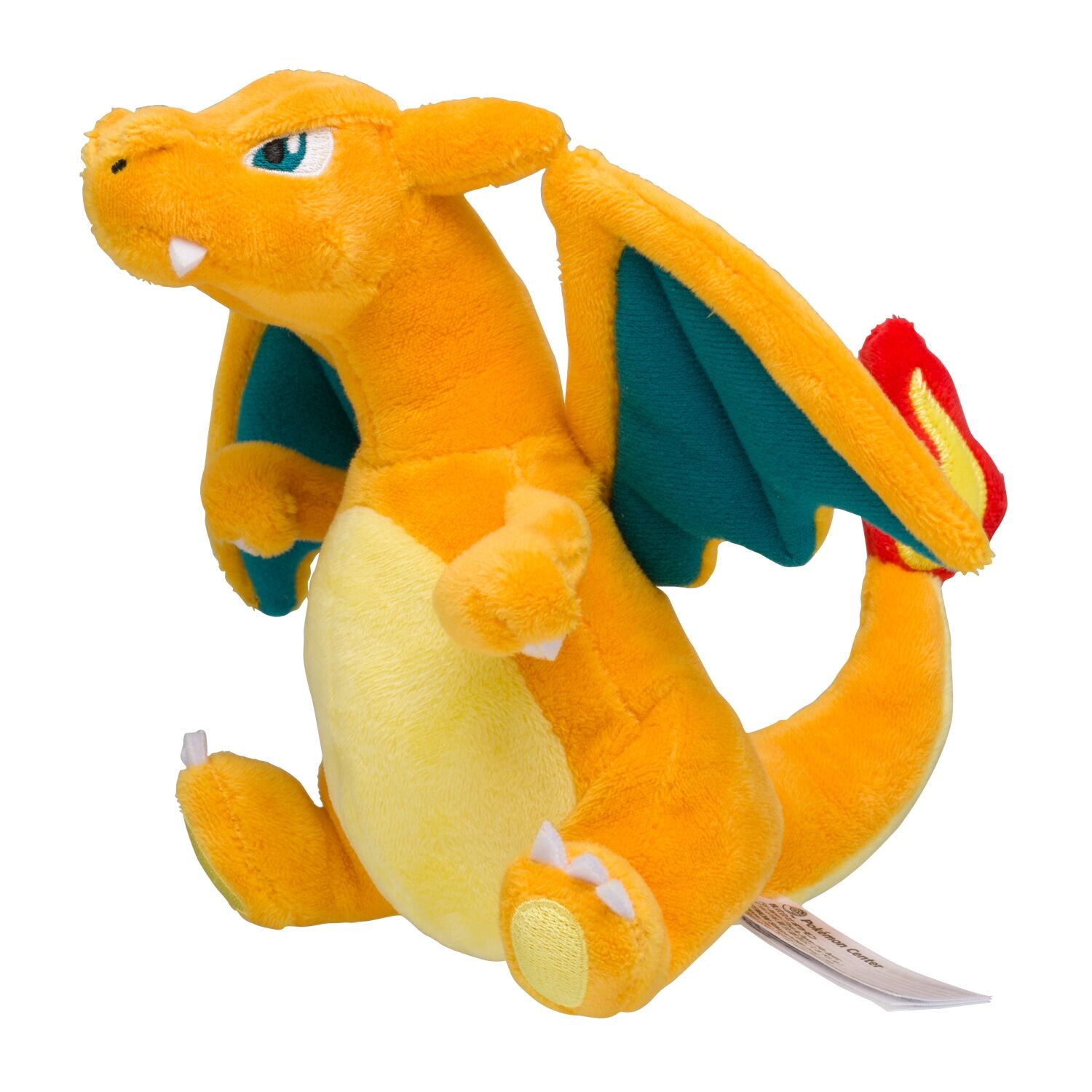
The Charizard Sitting Cuties Plush is weighted with microbeads, so it sits up when you put it on a flat surface. This palm-sized plush is a fun, charming way to show off a favourite Fire- and Flying-type Pokémon originally discovered in Kanto! Measures about 14 cm tall and 17 cm wide Sits up easily on a desk, shelf, or other flat surface Where will you set Charizard? Part of the Sitting Cuties collection—known as Pokémon fit in Japan Includes Charizard Sitting Cuties Plush (other pictured items not included) Pokémon Center Original More Details: Item Dimensions: 14 x 17 x 9.5 cm Country Of Origin: Made in China Materials: All new material / polyester fiber / polyethylene / polypropylene / polyurethane foam Care Instructions: Surface Wash Only Recommended Age: 4+ Years Item Weight: 96.3 g
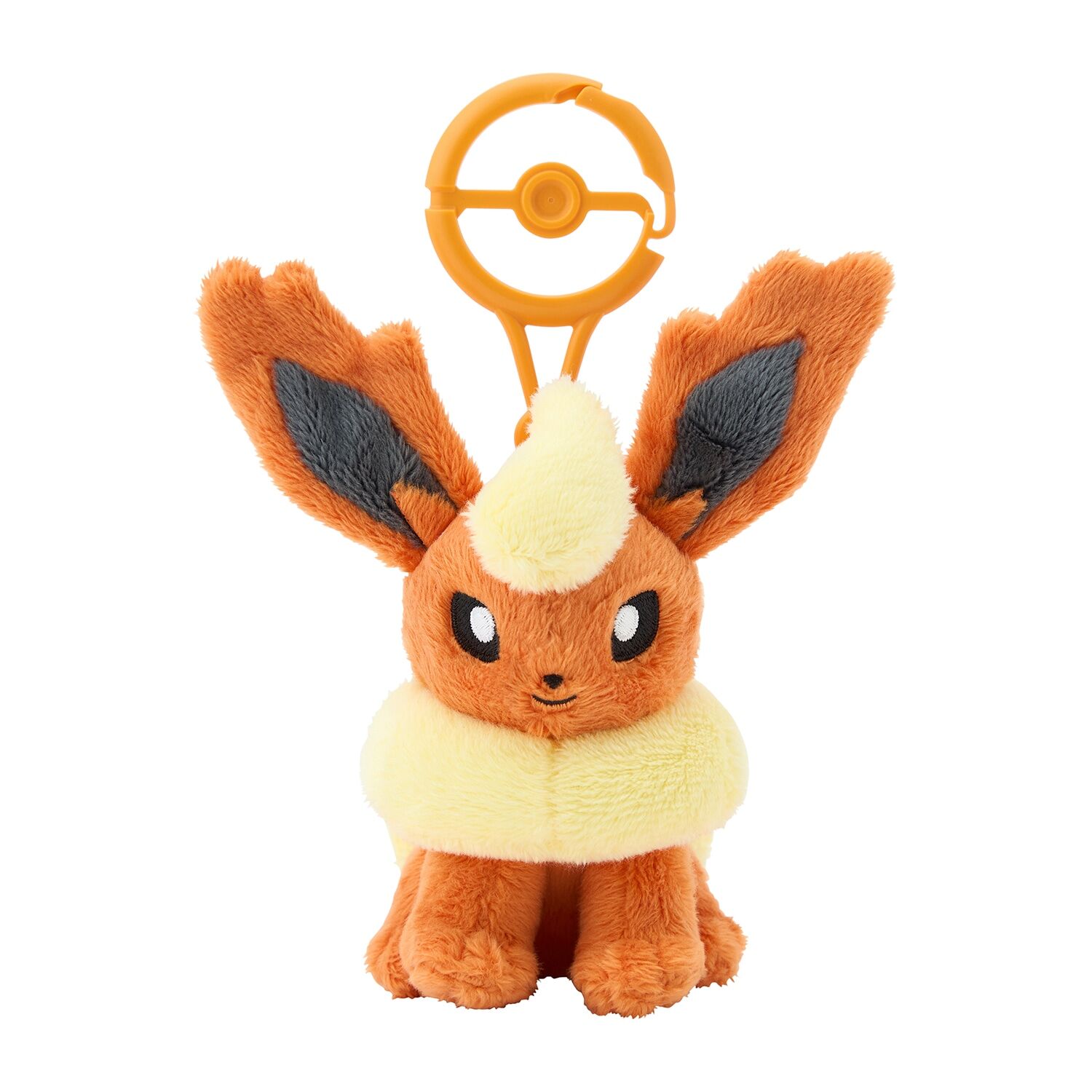
Measures about 17 cm high and 11.5 cm long Pokémon Center Original More Details: Item Dimensions: 17 x 11.5 x 12 cm Country Of Origin: Made in China Materials: Polyester / polyethylene Care Instructions: Hand Wash Only. Line Dry. Item Weight: 40 g
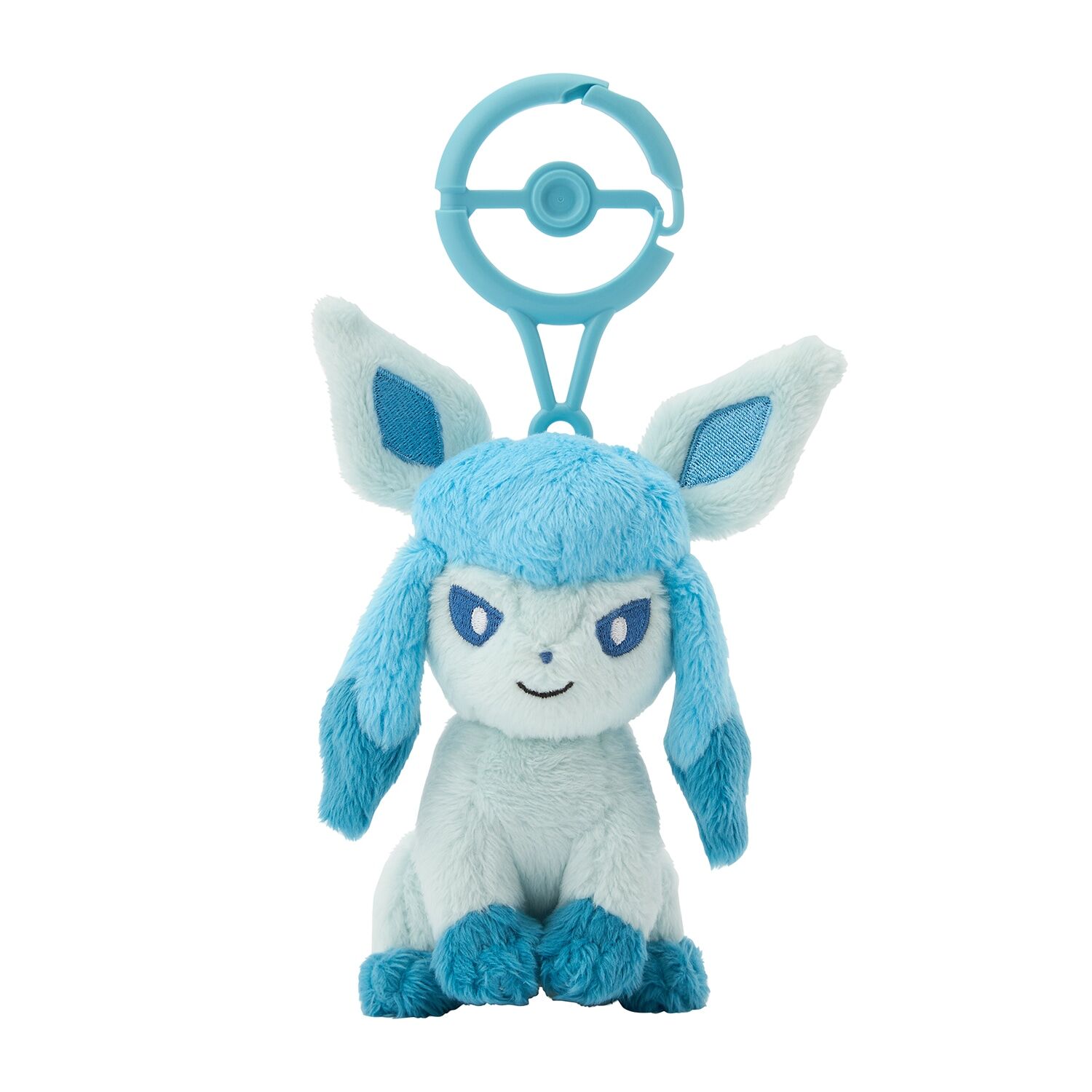
Measures about 17 cm high and 11.5 cm long Pokémon Center Original More Details: Item Dimensions: 17 x 11.5 x 12 cm Country Of Origin: Made in China Materials: Polyester / polyethylene Care Instructions: Hand Wash Only. Line Dry. Item Weight: 40 g

The “POKÉMON DOLLS” series has become a mascot! It feels so soft! More Details: Item Dimensions: 12 × 10 × 8 cm Country Of Origin: Made in China Materials: All new material / polyester / polyethylene / polyurethane foam Care Instructions: Hand Wash Only. Line Dry. Recommended Age: 4+ Years Item Weight: 31.5 g

The Suicune Sitting Cuties Plush is weighted with microbeads, so it sits up when you put it on a flat surface. This palm-sized plush is a fun, charming way to show off a favorite Water-type Legendary Pokémon originally discovered in Johto! Sits up easily on a desk, shelf, or other flat surface Where will you set Suicune? Part of the Sitting Cuties collection—known as Pokémon fit in Japan Includes Suicune Sitting Cuties Plush (other pictured items not included) Pokémon Center Original More Details: Item Dimensions: 16 x 11 x 6.5 cm Country Of Origin: Made in China. Materials: All new material / polyester fiber / polyethylene Care Instructions: Surface Wash Only Recommended Age: 4+ Years
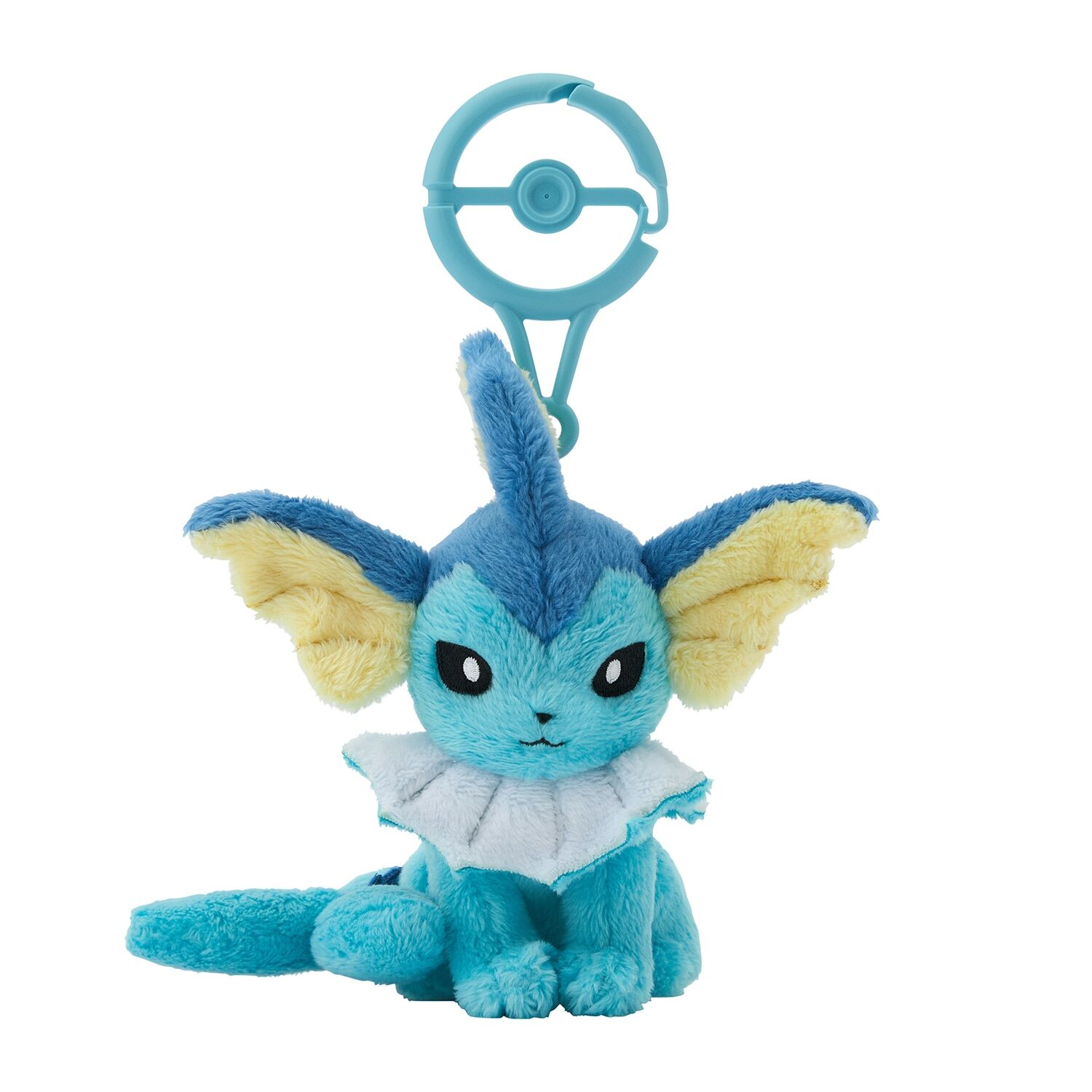
Measures about 17 cm high and 12.5 cm long Pokémon Center Original More Details: Item Dimensions: 17 x 12.5 x 9 cm Country Of Origin: Made in China Materials: Polyester / polyethylene Care Instructions: Hand Wash Only. Line Dry. Item Weight: 34 g
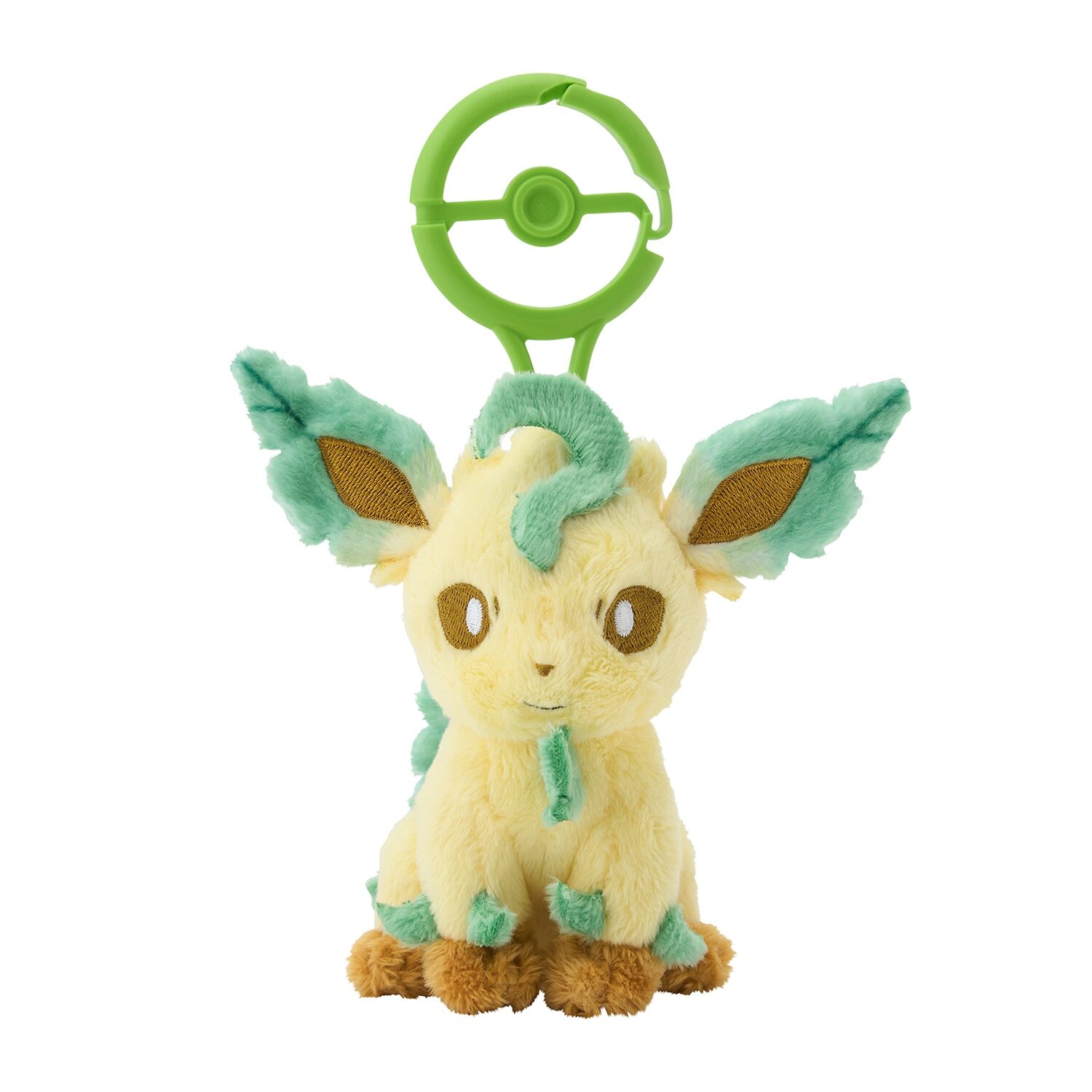
Measures about 15.5 cm high and 10 cm long Pokémon Center Original More Details: Item Dimensions: 15.5 x 10 x 8 cm Country Of Origin: Made in China Materials: Polyester / polyethylene Care Instructions: Hand Wash Only. Line Dry. Item Weight: 29 g